The Best Fluffy Pancakes recipe you will fall in love with. Full of tips and tricks to help you make the best pancakes.
Homemade Meatballs Recipe

Have you ever wondered why restaurant meatballs seem to have that perfect tender texture and rich flavor that’s so hard to replicate at home? The secret isn’t in some mysterious ingredient or professional technique—it’s in understanding the fundamentals of crafting truly exceptional Homemade Meatballs. Whether you’re preparing a comforting weeknight meal or impressing guests at your next gathering, mastering this classic recipe will transform your cooking repertoire forever.
Making meatballs from scratch is one of those timeless culinary skills that connects generations. The aroma of seasoned meat mingling with garlic and herbs evokes memories of family kitchens and Sunday dinners. This comprehensive guide will walk you through every step of creating restaurant-quality meatballs in your own kitchen.
What makes this recipe special is its versatility and foolproof approach. You’ll learn not just how to make meatballs, but how to make them perfectly every single time. From selecting the right meat blend to achieving that ideal golden-brown crust, we’re covering everything you need to know.
Ingredients List
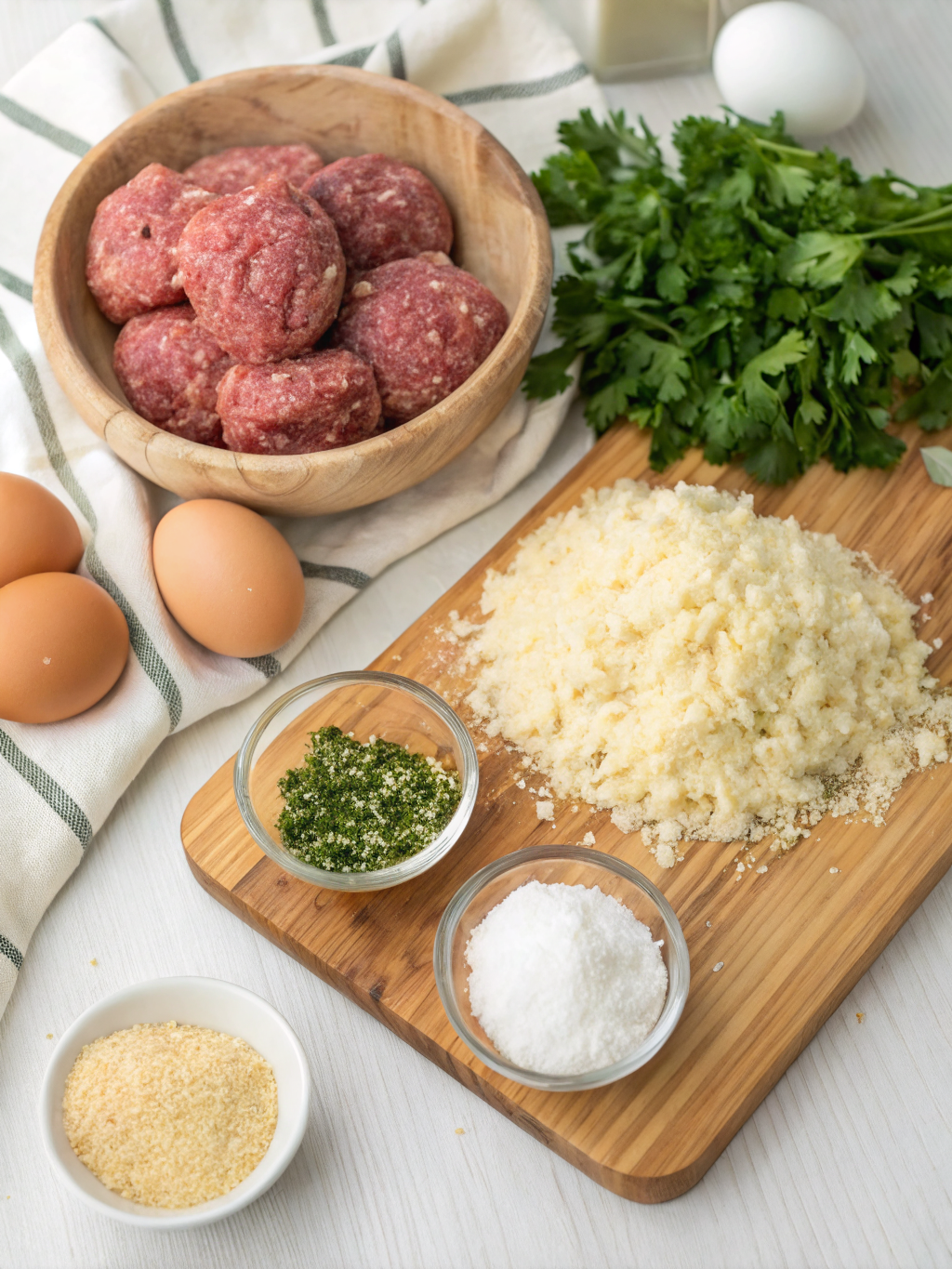
The foundation of exceptional Homemade Meatballs lies in quality ingredients combined in the right proportions. Here’s what you’ll need to create approximately 24 medium-sized meatballs:
- 1 pound ground beef (80/20 blend) – The fat content ensures juicy, flavorful meatballs. You can substitute with ground turkey or chicken for a leaner option.
- 1/2 pound ground pork – Adds richness and moisture. Ground veal can be used as an alternative for a more traditional approach.
- 1 cup fresh breadcrumbs – Soaked breadcrumbs create tender texture. Panko or gluten-free breadcrumbs work well too.
- 1/2 cup whole milk – For soaking the breadcrumbs. Almond milk or oat milk can substitute for dairy-free versions.
- 2 large eggs – Acts as a binder to hold everything together.
- 1/2 cup freshly grated Parmesan cheese – Adds umami depth and savory notes. Pecorino Romano offers a sharper flavor profile.
- 4 cloves garlic, minced – Fresh garlic provides aromatic complexity that powder simply cannot match.
- 1/4 cup fresh parsley, finely chopped – Brings brightness and color. Fresh basil can add a different herbal note.
- 1 teaspoon dried oregano – Classic Italian seasoning that’s essential for authentic flavor.
- 1 teaspoon salt – Enhances all the other flavors. Adjust to taste.
- 1/2 teaspoon black pepper – Freshly ground pepper offers the best flavor.
- 1/4 teaspoon red pepper flakes (optional) – For those who enjoy a subtle heat.
- 2 tablespoons olive oil – For browning the meatballs to perfection.
The beauty of this ingredient list is its flexibility. Each component serves a specific purpose, but there’s room for personalization based on dietary needs or flavor preferences. The key is maintaining the ratio of meat to binders for optimal texture.
Timing
Understanding the time commitment helps you plan your cooking schedule effectively. This recipe requires approximately 60 minutes from start to finish, which is about 25% faster than many traditional recipes that call for extended simmering times.
Preparation Time: 20 minutes – This includes mixing ingredients, forming meatballs, and preparing your cooking surface.
Cooking Time: 25-30 minutes – Browning takes about 10 minutes, followed by 15-20 minutes of finishing in sauce or the oven.
Resting Time: 10 minutes – Allowing meatballs to rest after cooking helps juices redistribute for maximum tenderness.
Total Time: Approximately 60 minutes, making this an ideal recipe for weeknight dinners when you want something special without spending hours in the kitchen.
Instructions
Step 1: Prepare the Panade
Begin by creating a panade, which is the secret to incredibly tender meatballs. In a large mixing bowl, combine the fresh breadcrumbs with the milk. Stir gently and let this mixture sit for 5-10 minutes until the breadcrumbs have absorbed all the liquid and become soft and paste-like.
This step is crucial because it prevents the meatballs from becoming dense and tough. The panade keeps the meat mixture loose and helps retain moisture during cooking. Don’t skip this foundational step—it makes all the difference.
Step 2: Combine the Meat Mixture
Add the ground beef and ground pork to the bowl with the soaked breadcrumbs. Crack in the eggs, then add the grated Parmesan cheese, minced garlic, chopped parsley, oregano, salt, black pepper, and red pepper flakes if using.
Here’s the critical technique: use your hands to mix everything together, but work gently and avoid overmixing. Mix just until the ingredients are evenly distributed, about 30-45 seconds. Overworking the meat develops too much gluten and creates tough, dense meatballs.
The mixture should feel cohesive but still slightly loose. If it seems too wet, add a tablespoon of breadcrumbs. If too dry, add a splash of milk. The texture should be similar to soft clay.
Step 3: Form the Meatballs
Prepare a baking sheet or large plate by lining it with parchment paper. Have a small bowl of water nearby to keep your hands slightly damp, which prevents sticking. Scoop about 2 tablespoons of the mixture and gently roll it between your palms to form a ball about 1.5 inches in diameter.
Consistency in size ensures even cooking. Using a cookie scoop can help maintain uniform portions. Don’t pack the meatballs too tightly—a gentle touch creates a more tender final product. You should get approximately 24 meatballs from this recipe.
Place each formed meatball on the prepared sheet, leaving a bit of space between them. If you’re not cooking them immediately, cover with plastic wrap and refrigerate for up to 24 hours. Chilling actually helps them hold their shape better during cooking.
Step 4: Brown the Meatballs
Heat the olive oil in a large skillet over medium-high heat. Once the oil shimmers and is hot but not smoking, carefully add the meatballs in batches, making sure not to overcrowd the pan. Overcrowding causes steaming instead of browning.
Cook for about 2-3 minutes per side, turning carefully with tongs or a spatula to develop a golden-brown crust on all sides. You’re not cooking them through at this stage—just creating that flavorful exterior. The Maillard reaction happening here adds incredible depth of flavor.
Work in batches if necessary, transferring browned meatballs to a clean plate. The total browning time should be about 10 minutes for all batches. Don’t worry if they’re still pink inside; they’ll finish cooking in the next step.
Step 5: Finish Cooking
You have two excellent options for finishing your Homemade Meatballs. The first method involves transferring the browned meatballs to your favorite marinara sauce in a large pot. Simmer gently for 15-20 minutes, allowing the meatballs to finish cooking while absorbing the sauce flavors.
The second method is oven-finishing: preheat your oven to 350°F (175°C), place the browned meatballs on a baking sheet, and bake for 15-20 minutes until they reach an internal temperature of 160°F (71°C) for beef and pork mixtures.
Both methods produce excellent results. The sauce method creates more tender, flavor-infused meatballs, while the oven method gives you more control and is ideal if you’re making them ahead or serving them without sauce.
Step 6: Rest and Serve
Once cooked through, remove the meatballs from heat and let them rest for 5-10 minutes. This resting period allows the juices to redistribute throughout the meat, ensuring each bite is moist and flavorful rather than dry.
If you’ve cooked them in sauce, give the pot a gentle stir to coat the meatballs evenly. If oven-baked, you can add them to sauce now or serve them as is with your chosen accompaniments.
Nutritional Information
Understanding the nutritional profile helps you make informed decisions about portion sizes and meal planning. Per serving of 3 meatballs (approximately 150g), you can expect the following nutritional breakdown:
Calories: 285 calories – This represents about 14% of a standard 2,000-calorie daily diet, making it a reasonable protein-centered meal component.
Protein: 22g – An excellent source of high-quality protein, providing essential amino acids for muscle maintenance and satiety.
Total Fat: 18g – Including both saturated and unsaturated fats from the meat and olive oil. The 80/20 beef blend contributes to the fat content but also ensures flavor and juiciness.
Saturated Fat: 7g – About 35% of the recommended daily value. Using leaner meat or turkey can reduce this significantly.
Carbohydrates: 8g – Primarily from the breadcrumbs and milk, providing energy and helping bind the mixture.
Fiber: 1g – Minimal fiber content, which is why pairing with vegetable sides or whole grain pasta is beneficial.
Sugar: 2g – Naturally occurring from the milk and small amounts in other ingredients.
Sodium: 520mg – About 23% of the recommended daily intake. You can reduce this by using less salt or low-sodium cheese.
Key Vitamins and Minerals: These meatballs provide significant amounts of vitamin B12 (essential for nerve function), iron (important for oxygen transport), zinc (supports immune function), and selenium (a powerful antioxidant).
Healthier Alternatives for the Recipe
Creating a healthier version of Homemade Meatballs doesn’t mean sacrificing flavor. Here are evidence-based modifications that maintain deliciousness while improving nutritional value:
Lean Protein Swaps: Replace half or all of the beef and pork with ground turkey or chicken breast. This reduces saturated fat by approximately 40% while maintaining protein content. Add an extra tablespoon of olive oil to the mixture to compensate for reduced fat content and prevent dryness.
Plant-Based Options: For a vegetarian version, use finely chopped mushrooms, lentils, or a combination of both. Mushrooms provide umami flavor similar to meat, while lentils offer protein and fiber. You’ll need about 3 cups of cooked, well-drained lentils or finely chopped mushrooms.
Whole Grain Breadcrumbs: Substitute regular breadcrumbs with whole wheat or even rolled oats processed into fine crumbs. This increases fiber content by approximately 3g per serving and adds beneficial nutrients without affecting texture.
Reduce Sodium: Cut the added salt in half and use low-sodium Parmesan cheese. You can boost flavor with additional herbs like fresh basil, thyme, or rosemary, and a dash of balsamic vinegar for depth without sodium.
Hidden Vegetables: Finely grate zucchini, carrots, or cauliflower and squeeze out excess moisture before adding to the mixture. You can incorporate up to 1 cup of vegetables, increasing fiber and micronutrient content while reducing calorie density.
Baking Instead of Frying: Skip the browning step entirely and bake the meatballs on a wire rack set over a baking sheet at 400°F (200°C) for 20-25 minutes. This method reduces added fat from cooking oil while still achieving a pleasant exterior texture.
Serving Suggestions
The versatility of meatballs makes them suitable for countless serving scenarios. Here are creative, crowd-pleasing ways to present your culinary creation:
Classic Spaghetti and Meatballs: The timeless combination that never disappoints. Serve over al dente spaghetti with generous marinara sauce and fresh basil leaves. A sprinkle of additional Parmesan and a drizzle of quality olive oil elevates this family dinner staple to restaurant quality.
Meatball Subs: Nestle 3-4 meatballs in a toasted hoagie roll, top with marinara sauce and melted mozzarella or provolone cheese. Add sautéed peppers and onions for extra flavor and nutrition. This makes an excellent casual dinner or game-day food.
Mediterranean Bowl: Create a grain bowl with quinoa or couscous as the base, add the meatballs, cucumber-tomato salad, hummus, and a drizzle of tahini sauce. This fusion approach offers a lighter, more contemporary presentation.
Appetizer Style: Serve as party appetizers with toothpicks and a selection of dipping sauces—marinara, pesto aioli, or sweet chili sauce. Keep them warm in a slow cooker for easy entertaining.
Meatball Pizza: Break the meatballs into smaller pieces and use as a pizza topping along with ricotta, mozzarella, and fresh arugula added after baking. This creates a gourmet pizza experience at home.
With Polenta or Mashed Potatoes: Serve over creamy polenta or garlic mashed potatoes with the sauce spooned over everything. This comfort-food approach is perfect for cold weather dining.
Common Mistakes to Avoid
Even experienced c