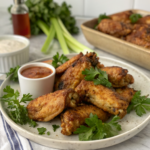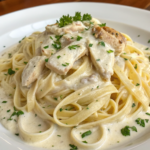
The Best Fluffy Pancakes recipe you will fall in love with. Full of tips and tricks to help you make the best pancakes.
Homemade Mac and Cheese

Have you ever wondered why restaurant mac and cheese never quite tastes like the creamy, soul-warming version your grandmother used to make? The secret lies in understanding the perfect balance of cheese, pasta, and technique. This Homemade Mac and Cheese recipe will transform your kitchen into a comfort food haven, delivering that nostalgic, rich flavor that store-bought versions simply cannot replicate. Whether you’re cooking for picky eaters or hosting a dinner party, this classic dish promises to satisfy every craving.
Making mac and cheese from scratch might seem intimidating, but with the right guidance, anyone can master this beloved dish. The combination of perfectly cooked pasta and a velvety cheese sauce creates an irresistible meal that brings families together around the dinner table.
Ingredients List
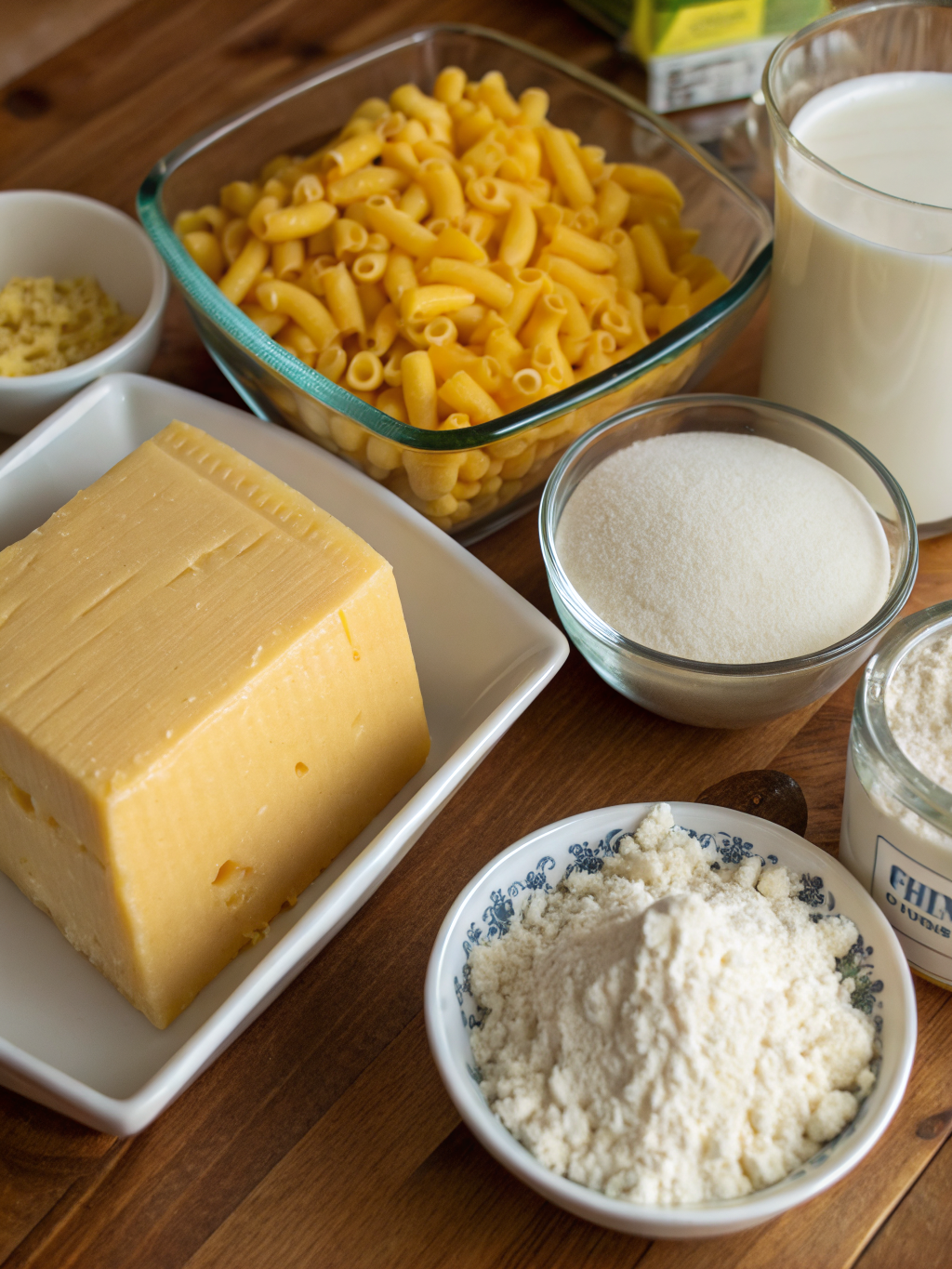
Gathering quality ingredients is the foundation of exceptional Homemade Mac and Cheese. Each component plays a crucial role in creating that signature creamy texture and rich flavor profile.
- 1 pound elbow macaroni – The classic choice, though shells or cavatappi work beautifully for catching extra sauce
- 4 tablespoons unsalted butter – Creates the roux base; salted butter can be substituted but reduce added salt
- 1/4 cup all-purpose flour – Thickens the sauce; gluten-free flour blends work for dietary restrictions
- 3 cups whole milk – Provides creaminess; 2% milk works but reduces richness slightly
- 1 cup heavy cream – Adds luxurious texture; half-and-half is a lighter alternative
- 3 cups sharp cheddar cheese, shredded – The star ingredient; aged cheddar intensifies flavor
- 1 cup Gruyère cheese, shredded – Adds nutty depth; Swiss cheese substitutes adequately
- 1/2 cup Parmesan cheese, grated – Enhances umami notes and adds saltiness
- 1 teaspoon Dijon mustard – Brightens flavors without adding noticeable mustard taste
- 1/2 teaspoon garlic powder – Subtle savory enhancement; fresh garlic can overpower
- 1/4 teaspoon cayenne pepper – Optional kick; adjust to taste preference
- Salt and black pepper to taste – Essential for balanced seasoning
- 1 cup panko breadcrumbs – For topping; regular breadcrumbs work fine
- 2 tablespoons melted butter – Helps breadcrumbs crisp beautifully
The beauty of this recipe lies in its flexibility. Feel free to experiment with different cheese combinations like fontina, white cheddar, or even smoked gouda for unique flavor variations.
Timing
Time management is essential when preparing this comfort food classic. Understanding the timeline helps you coordinate with other dishes and ensures perfect results every time.
Preparation Time: 15 minutes – This includes measuring ingredients, shredding cheese, and organizing your workspace efficiently.
Cooking Time: 35 minutes – Broken down into 10 minutes for boiling pasta, 15 minutes for sauce preparation, and 10 minutes for baking until golden and bubbly.
Total Time: 50 minutes – This represents approximately 25% less time than traditional baked mac and cheese recipes that require longer oven times, making it perfect for weeknight dinners.
The streamlined process ensures you can have restaurant-quality results without spending hours in the kitchen. Planning ahead by shredding cheese beforehand can reduce active cooking time even further.
Step-by-Step Instructions
Step 1: Prepare Your Pasta Foundation
Begin by bringing a large pot of salted water to a rolling boil. Use approximately 4 quarts of water with 1 tablespoon of salt. Add the elbow macaroni and cook for exactly 7 minutes, which is 1-2 minutes less than package directions suggest.
This slight undercooking prevents mushy pasta since it will continue cooking in the oven. Drain thoroughly but do not rinse, as the starch helps the sauce adhere better. Set aside while you prepare the cheese sauce.
Step 2: Create the Perfect Roux
In a large, heavy-bottomed saucepan, melt 4 tablespoons of butter over medium heat. Once the butter foams and the bubbling subsides, whisk in the flour continuously for 2-3 minutes until the mixture turns light golden.
This cooking process removes the raw flour taste and creates a nutty aroma. The roux should have a smooth, paste-like consistency. Avoid rushing this step, as proper roux development is crucial for a silky sauce.
Step 3: Build the Creamy Base
Gradually pour in the milk and heavy cream while whisking constantly to prevent lumps. Start with small amounts, incorporating each addition fully before adding more. Increase heat to medium-high and bring the mixture to a gentle simmer.
Continue whisking occasionally for 5-7 minutes until the sauce thickens enough to coat the back of a spoon. The sauce should have a consistency similar to heavy cream at this stage.
Step 4: Incorporate the Cheese Blend
Remove the saucepan from heat before adding cheese. This prevents the cheese from breaking and becoming grainy. Add the cheddar, Gruyère, and Parmesan in three batches, stirring until each addition melts completely.
Stir in the Dijon mustard, garlic powder, cayenne pepper, salt, and black pepper. Taste and adjust seasonings as needed. The sauce should taste slightly overseasoned at this point since the pasta will dilute the flavors.
Step 5: Combine Pasta and Sauce
Add the drained pasta to the cheese sauce, folding gently with a rubber spatula until every piece is thoroughly coated. The mixture should look luxuriously creamy and cohesive.
Transfer the combined mixture to a greased 9×13-inch baking dish, spreading it evenly. This size accommodates the full recipe perfectly while allowing proper heat distribution during baking.
Step 6: Add the Golden Topping
Mix the panko breadcrumbs with 2 tablespoons of melted butter in a small bowl until the crumbs are evenly coated. Sprinkle this mixture uniformly across the top of the mac and cheese.
For extra indulgence, add a handful of additional shredded cheese over the breadcrumbs. This creates a beautifully browned, crispy top layer that contrasts wonderfully with the creamy interior.
Step 7: Bake to Perfection
Preheat your oven to 375°F (190°C). Place the baking dish on the center rack and bake for 20-25 minutes until the top is golden brown and the edges are bubbling enthusiastically.
For an extra-crispy top, broil for the final 2-3 minutes while watching carefully to prevent burning. Allow the dish to rest for 5 minutes before serving, which helps the sauce set slightly for easier portioning.
Nutritional Information
Understanding the nutritional profile of Homemade Mac and Cheese helps you make informed decisions about portion sizes and dietary modifications. Each serving (based on 8 servings per recipe) contains approximately:
Calories: 520 per serving – This represents a moderate caloric intake for a main dish, comparable to other pasta-based entrees.
Protein: 22 grams – The cheese blend provides substantial protein, making this more nutritionally balanced than many assume.
Carbohydrates: 48 grams – Primarily from pasta, with minimal added sugars.
Fat: 26 grams – Including 16 grams of saturated fat from dairy products, which contributes to the rich, satisfying texture.
Fiber: 2 grams – Standard for refined pasta; whole grain options increase this significantly.
Sodium: 680 milligrams – Moderate levels that can be reduced by using low-sodium cheese and limiting added salt.
Calcium: 450 milligrams – Approximately 45% of daily recommended intake, thanks to the generous cheese content.
These values demonstrate that while mac and cheese is indulgent, it also provides valuable nutrients like calcium and protein. Portion control and strategic modifications can make it fit various dietary goals.
Healthier Alternatives for the Recipe
Creating a lighter version of this classic doesn’t mean sacrificing flavor. Several strategic substitutions can significantly improve the nutritional profile while maintaining that signature creamy texture and satisfying taste.
Pasta Swaps: Replace traditional elbow macaroni with whole wheat pasta to triple the fiber content. Chickpea or lentil pasta adds protein and creates a gluten-free option. Cauliflower mac and cheese, using steamed cauliflower florets instead of half the pasta, reduces carbohydrates by 40%.
Dairy Modifications: Use 2% milk instead of whole milk and eliminate heavy cream, substituting with additional milk or unsweetened almond milk. Greek yogurt can replace up to half the cheese, adding protein while reducing fat and calories by approximately 30%.
Cheese Adjustments: Opt for reduced-fat sharp cheddar, which maintains strong flavor with less fat. Nutritional yeast adds cheesy flavor with B-vitamins and minimal calories. Using stronger-flavored aged cheeses means you can use less while maintaining taste impact.
Vegetable Additions: Incorporate steamed broccoli, butternut squash puree, or roasted bell peppers to increase vegetable servings. These additions boost vitamins, minerals, and fiber while adding volume without significantly increasing calories.
Topping Alternatives: Skip the butter in breadcrumbs or use olive oil spray instead. Crushed whole grain crackers or almond meal provide interesting texture variations with different nutritional benefits.
Serving Suggestions
Elevating your presentation transforms this family meal into something special. The versatility of mac and cheese makes it suitable for various occasions and pairing options.
Classic Comfort Dinner: Serve alongside crispy fried chicken, pulled pork, or grilled sausages for a traditional Southern-inspired feast. Add coleslaw and cornbread to complete the comfort food experience.
Elevated Presentation: Portion into individual ramekins before baking for elegant single servings perfect for dinner parties. Garnish with fresh herbs like chives, parsley, or thyme for visual appeal and fresh flavor contrast.
Protein Additions: Stir in cooked bacon bits, diced ham, or rotisserie chicken to transform this side dish into a complete one-pot meal. Lobster or crab meat creates an luxurious surf-and-turf variation.
Vegetable Pairings: Balance the richness with fresh green salad dressed in tangy vinaigrette. Roasted Brussels sprouts, green beans, or asparagus provide textural contrast and nutritional balance.
Kid-Friendly Options: Cut hot dogs into the mac and cheese for a childhood favorite combination. Serve with carrot sticks, apple slices, or cherry tomatoes to encourage vegetable consumption.
Leftover Transformations: Form cold mac and cheese into patties, bread them, and pan-fry for crispy mac and cheese cakes. Use as a filling for stuffed peppers or as a topping for loaded baked potatoes.
Common Mistakes to Avoid
Understanding potential pitfalls helps ensure success every time you prepare this beloved dish. Learning from common errors saves time, ingredients, and disappointment.
- Overcooking the pasta initially: Pasta continues cooking in the oven, so boiling until fully tender results in mushy texture. Always undercook by 1-2 minutes for optimal final consistency.
- Adding cheese to boiling sauce: High heat causes cheese proteins to separate, creating grainy, broken sauce. Always remove from heat before incorporating cheese for silky smoothness.
- Using pre-shredded cheese: Pre-packaged shredded cheese contains anti-caking agents that prevent smooth melting. Block cheese you shred yourself melts significantly better and tastes fresher.
- Insufficient seasoning: Pasta absorbs flavors, so sauce that tastes perfect alone will seem bland when combined. Season generously and taste before baking.
- Skipping the roux cooking time: Raw flour creates pasty, unpleasant flavors. Cook the roux for at least 2-3 minutes until it smells nutty and looks golden.
- Baking at too high temperature: Excessive heat causes the edges to dry out while the center remains undercooked. Moderate 375°F ensures even heating throughout.
- Not letting it rest: Serving immediately results in soupy consistency. A 5-minute rest allows the sauce to thicken and makes portioning much easier.
- Using only one cheese type: Single-cheese versions lack complexity and depth. Combining multiple cheeses creates more interesting, balanced flavor profiles.
Storing Tips for the Recipe
Proper storage techniques maximize freshness and maintain quality, allowing you to enjoy leftovers or prepare components ahead for easier weeknight cooking.
Refrigerator Storage: Transfer cooled mac and cheese to an airtight container and refrigerate within two hours of cooking. Properly stored, it remains fresh for 3-4 days. The sauce may thicken considerably when cold, which is completely normal.
Reheating Instructions: Add 2-3 tablespoons of milk per serving before reheating to restore creaminess. Microwave individual portions for 1-2 minutes, stirring halfway through. For oven reheating, cover with