The Best Fluffy Pancakes recipe you will fall in love with. Full of tips and tricks to help you make the best pancakes.
Easy Chicken Noodle Soup

Have you ever wondered why a simple bowl of soup can instantly transport you back to childhood and make everything feel better? There’s something magical about the combination of tender chicken, hearty noodles, and aromatic vegetables simmering together. This Chicken Noodle Soup recipe delivers that nostalgic comfort while being surprisingly easy to prepare, even for beginner cooks.
Whether you’re battling a cold, seeking warmth on a chilly evening, or simply craving comfort meals, this homemade version beats any canned alternative. The beauty of this recipe lies in its simplicity and versatility, allowing you to customize ingredients based on what’s available in your kitchen while maintaining that classic, soul-warming flavor profile.
This comprehensive guide will walk you through every step of creating the perfect bowl of chicken noodle soup. From selecting the right ingredients to mastering cooking techniques, you’ll discover professional tips that elevate this humble dish into something truly special.
Ingredients List
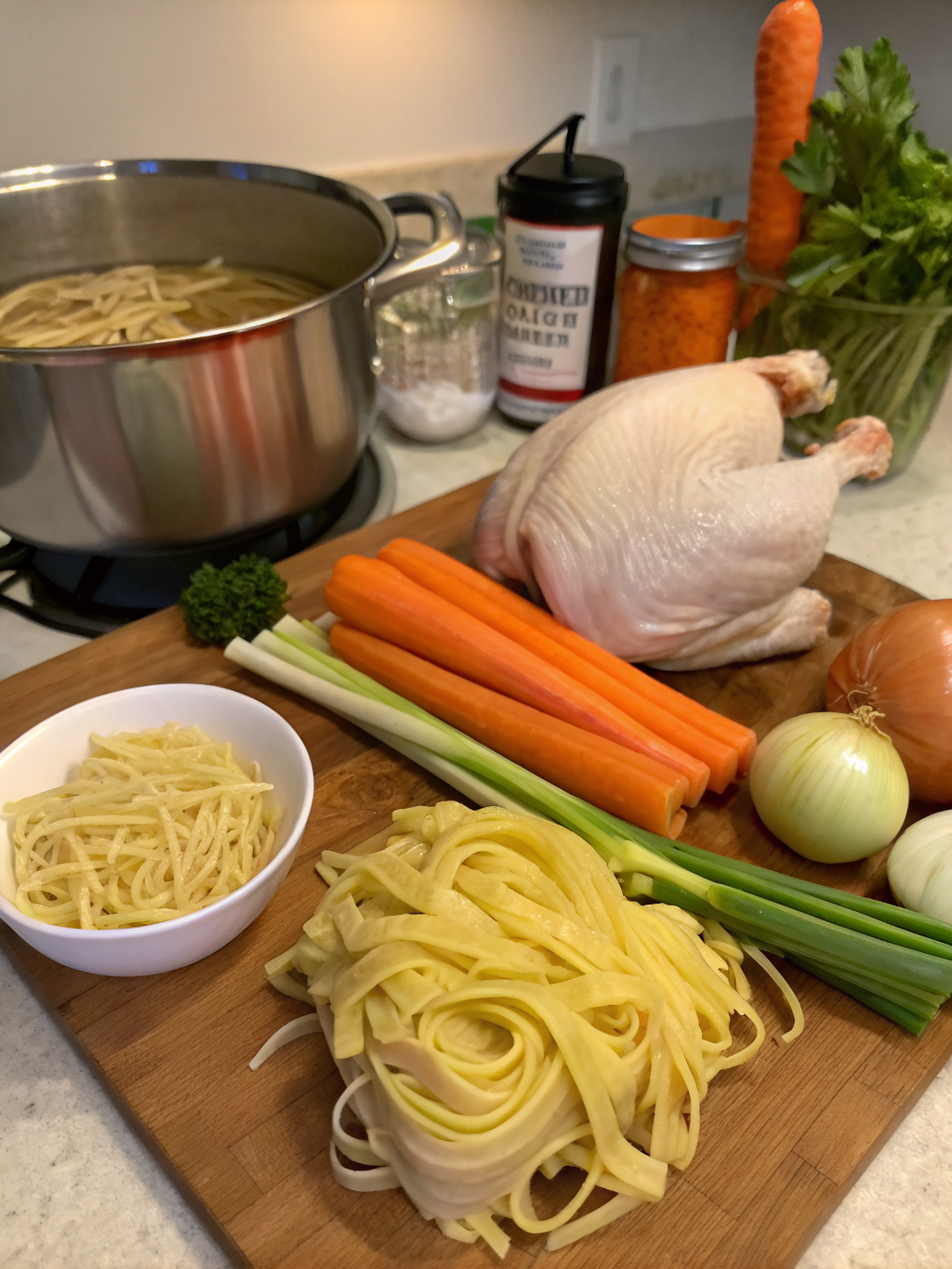
Gathering quality ingredients is the foundation of exceptional Chicken Noodle Soup. Here’s everything you’ll need to create this comforting masterpiece:
- 1.5 pounds boneless, skinless chicken breasts or thighs – Thighs offer more flavor and stay moister, but breasts work perfectly for a leaner option
- 8 cups low-sodium chicken broth – Homemade is ideal, but quality store-bought works wonderfully
- 3 medium carrots, peeled and sliced – Their natural sweetness balances the savory elements beautifully
- 3 celery stalks, chopped – Adds essential aromatic depth and subtle crunch
- 1 large yellow onion, diced – The flavor foundation that makes everything sing
- 3 cloves garlic, minced – Fresh garlic is non-negotiable for authentic taste
- 8 ounces egg noodles – Wide noodles are traditional, but any pasta shape works
- 2 tablespoons olive oil or butter – For sautéing vegetables to golden perfection
- 2 bay leaves – These impart subtle complexity to the broth
- 1 teaspoon dried thyme – Or 1 tablespoon fresh thyme for brighter flavor
- Salt and black pepper to taste – Season generously for maximum flavor impact
- 2 tablespoons fresh parsley, chopped – The finishing touch that adds color and freshness
- 1 tablespoon fresh lemon juice (optional) – Brightens the entire dish surprisingly well
Feel free to substitute ingredients based on dietary preferences or availability. Gluten-free noodles work seamlessly, and vegetable broth with chickpeas creates a satisfying vegetarian version. You can also add spinach, kale, or peas for extra nutrition and color.
Timing
Time management is crucial when preparing this recipe. Here’s the complete breakdown to help you plan accordingly:
Preparation Time: 15 minutes – This includes washing, peeling, and chopping all vegetables, plus measuring ingredients.
Cooking Time: 45 minutes – Active cooking involves sautéing vegetables, simmering chicken, and cooking noodles to perfect tenderness.
Total Time: 60 minutes – From start to finish, you’ll have steaming bowls of homemade soup ready in just one hour, which is approximately 25% faster than traditional recipes that require making stock from scratch.
This efficient timeline makes the recipe perfect for weeknight dinners when time is precious but you still want something nourishing and homemade. The majority of cooking time is hands-off simmering, allowing you to multitask or relax.
Instructions
Step 1: Prepare Your Ingredients
Begin by organizing your workspace and preparing all ingredients, a technique chefs call « mise en place. » Dice the onion into uniform pieces, slice carrots into rounds about 1/4-inch thick, and chop celery into similar-sized pieces. Mince the garlic finely to release maximum flavor.
Pat the chicken dry with paper towels and season lightly with salt and pepper. This preliminary seasoning enhances flavor throughout the meat. Having everything prepped before you start cooking ensures a smooth, stress-free process.
Step 2: Sauté the Aromatics
Heat olive oil or butter in a large stockpot or Dutch oven over medium heat. Once shimmering, add the diced onion and cook for 3-4 minutes until it becomes translucent and fragrant. The onion should soften but not brown.
Add the carrots and celery, stirring occasionally for another 5 minutes. These vegetables form the classic mirepoix base that gives the soup its characteristic depth. Add minced garlic during the final minute, stirring constantly to prevent burning.
Step 3: Add Chicken and Broth
Pour in the chicken broth and add the whole chicken breasts or thighs to the pot. Drop in the bay leaves and sprinkle the thyme over everything. Bring the mixture to a gentle boil over medium-high heat.
Once boiling, reduce heat to maintain a steady simmer. Cover partially and cook for 20-25 minutes until the chicken reaches an internal temperature of 165°F. The gentle simmer keeps the chicken tender rather than tough.
Step 4: Shred the Chicken
Carefully remove the cooked chicken from the pot using tongs or a slotted spoon. Place it on a cutting board and let it rest for 5 minutes to allow juices to redistribute.
Using two forks, shred the chicken into bite-sized pieces. Alternatively, dice it with a knife if you prefer uniform chunks. Return the shredded chicken to the pot, stirring to incorporate it throughout the broth.
Step 5: Cook the Noodles
Increase the heat slightly to bring the soup back to a gentle boil. Add the egg noodles and cook according to package directions, typically 6-8 minutes. Stir occasionally to prevent noodles from sticking together or to the bottom.
The noodles will absorb some broth and release starch, naturally thickening the soup slightly. If you prefer brothier soup, add an extra cup of broth when adding noodles. Taste and adjust seasoning with salt and pepper as needed.
Step 6: Final Touches
Remove the bay leaves and discard them. Stir in fresh lemon juice if using—this brightening ingredient is optional but highly recommended. The acidity balances the richness beautifully and adds unexpected complexity.
Remove from heat and stir in fresh chopped parsley. Let the soup rest for 5 minutes before serving, allowing flavors to meld together perfectly. This resting period makes a noticeable difference in overall taste.
Nutritional Information
Understanding the nutritional profile helps you make informed dietary choices. Each generous serving (approximately 1.5 cups) of this Chicken Noodle Soup contains approximately:
Calories: 285 – A satisfying yet moderate calorie count that fits most meal plans perfectly.
Protein: 28 grams – Excellent protein content supports muscle maintenance and keeps you feeling full longer.
Carbohydrates: 26 grams – Primarily from noodles and vegetables, providing sustained energy without excessive starch.
Fat: 7 grams – Mostly from olive oil and naturally occurring chicken fat, with minimal saturated fat.
Fiber: 3 grams – The vegetables contribute valuable dietary fiber for digestive health.
Sodium: 680 mg – Using low-sodium broth keeps this reasonable; adjust salt carefully to control intake.
This soup also provides significant amounts of vitamin A from carrots, vitamin C from vegetables, and B vitamins from chicken. It’s genuinely nutritious, not just comforting. The balanced macronutrient profile makes it suitable for various dietary approaches including moderate-carb and high-protein plans.
Healthier Alternatives for the Recipe
Adapting this recipe to meet specific dietary needs or health goals is remarkably simple without sacrificing flavor or satisfaction.
Lower Carbohydrate Option: Replace traditional egg noodles with spiralized zucchini noodles (zoodles) or shirataki noodles. Add them during the last 3 minutes of cooking to maintain texture. This modification reduces carbohydrates by approximately 70%.
Increased Vegetable Content: Double the vegetables by adding diced bell peppers, mushrooms, or leafy greens like spinach or kale. This boosts fiber, vitamins, and minerals while adding minimal calories.
Bone Broth Enhancement: Substitute regular chicken broth with bone broth for additional collagen, minerals, and gut-health benefits. The richer flavor also adds depth without extra sodium.
Lean Protein Focus: Use exclusively chicken breast instead of thighs to reduce fat content by nearly 40%. While slightly less flavorful, proper seasoning compensates beautifully.
Whole Grain Upgrade: Choose whole wheat or brown rice noodles instead of refined egg noodles. This simple swap increases fiber content and provides more sustained energy release.
Anti-Inflammatory Boost: Add fresh ginger and turmeric along with the garlic for powerful anti-inflammatory compounds. Start with 1 teaspoon of each and adjust to taste preferences.
Serving Suggestions
Presentation and accompaniments transform a simple soup into a memorable meal experience that delights all the senses.
Serve your Chicken Noodle Soup in wide, shallow bowls that showcase the beautiful ingredients. Garnish each portion with extra fresh parsley, a crack of black pepper, and perhaps a lemon wedge on the side.
Pair with crusty artisan bread, garlic toast, or homemade biscuits for dipping and soaking up the flavorful broth. A simple side salad with vinaigrette provides refreshing contrast to the warm, comforting soup.
For a complete comfort meal, serve alongside grilled cheese sandwiches—the classic combination that never disappoints. Use sourdough bread and sharp cheddar for elevated flavor that complements the soup perfectly.
Consider setting up a « soup bar » for family dinners where everyone can customize their bowl. Offer toppings like fresh herbs, hot sauce, grated Parmesan cheese, oyster crackers, or additional lemon juice.
This soup also works beautifully for meal prep. Portion into individual containers for grab-and-go lunches throughout the week. The flavors actually improve after a day in the refrigerator as everything melds together.
Common Mistakes to Avoid
Even simple recipes have potential pitfalls. Awareness of these common errors ensures perfect results every time.
- Overcooking the chicken – This creates dry, stringy meat. Use a meat thermometer and remove chicken promptly at 165°F for juicy, tender results.
- Adding noodles too early – They’ll become mushy and absorb excessive broth. Add them only during the final 8 minutes of cooking time.
- Using high heat throughout – Aggressive boiling toughens chicken and makes broth cloudy. Maintain a gentle simmer for clear, flavorful soup.
- Skipping the vegetable sauté step – Raw vegetables added directly to broth lack depth. Sautéing caramelizes natural sugars and develops complex flavors.
- Inadequate seasoning – Taste and adjust seasoning at the end. Broth reduces during cooking, concentrating flavors, so season progressively rather than all at once.
- Storing noodles in the soup – For leftovers, noodles continue absorbing liquid and become bloated. Store noodles separately and add to reheated portions.
- Using expired or low-quality broth – The broth is the foundation; poor quality directly impacts final taste. Invest in good broth or make your own.
- Crowding the pot – Use a large enough vessel to allow proper circulation. Crowding prevents even cooking and proper flavor development.
Storing Tips for the Recipe
Proper storage techniques maximize freshness and maintain food safety while preserving the delicious flavors you’ve created.
Refrigerator Storage: Allow soup to cool completely before transferring to airtight containers. Properly stored, it remains fresh for 3-4 days in the refrigerator. For best results, store noodles separately from the broth and combine when reheating.
Freezer Storage: This soup freezes exceptionally well for up to 3 months. However, cooked noodles don’t freeze well—they become mushy upon thawing. Freeze the soup without noodles, then cook fresh noodles when reheating.
Portion the soup into individual freezer-safe containers or heavy-duty freezer bags. Leave about an inch of headspace for expansion during freezing. Label containers with the date and contents for easy identification.
Reheating Instructions: Thaw frozen soup overnight in the refrigerator for best results. Reheat gently on the stovetop over medium heat, stirring occasionally until heated through. Add fresh noodles during the last 8 minutes of reheating.
Microwave reheating works for individual portions. Use a microwave-safe bowl, cover loosely, and heat in 2-minute intervals, stirring between each, until steaming hot throughout. Add a splash of broth if the soup has thickened during storage.
Make-Ahead Strategy: Prepare the soup base (everything except noodles) up to 2 days ahead. Store refrigerated, then reheat and add fresh noodles just before serving. This approach saves time while