The Best Fluffy Pancakes recipe you will fall in love with. Full of tips and tricks to help you make the best pancakes.
Classic Beef Lasagna Recipe

Have you ever wondered why some lasagnas turn out perfectly layered with rich, savory flavors while others end up watery and disappointing? The secret lies in mastering the fundamentals of this beloved Italian comfort food. This Beef Lasagna Recipe will guide you through creating a restaurant-quality dish that brings authentic Italian flavors to your family table.
Lasagna represents the pinnacle of Italian dinner classics, combining tender pasta sheets with hearty meat sauce, creamy béchamel, and melted cheese. Whether you’re cooking for a special occasion or simply craving comfort food, this comprehensive guide ensures success every time.
This traditional approach has been perfected over generations, delivering consistent results that satisfy even the most discerning palates. The layering technique and ingredient quality make all the difference in achieving that perfect texture and taste.
Ingredients List
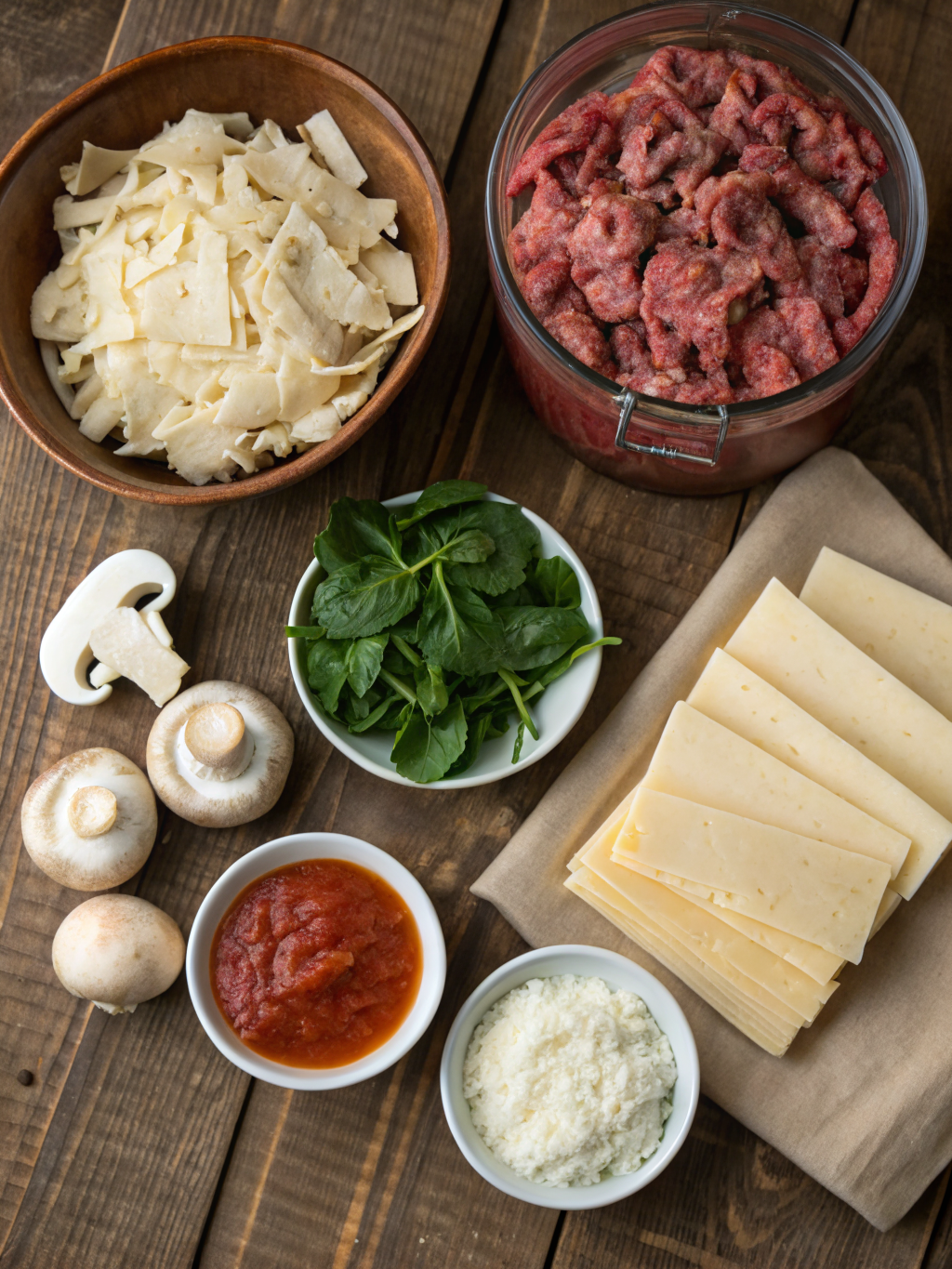
Gathering quality ingredients is essential for creating an authentic lasagna. Each component plays a crucial role in building those distinctive layers of flavor that make this dish unforgettable.
For the Meat Sauce:
- 2 pounds ground beef (80/20 blend recommended for optimal flavor and moisture)
- 1 large onion, finely diced (yellow or white onions work best)
- 4 cloves garlic, minced (fresh garlic provides superior aroma)
- 28 ounces crushed tomatoes (San Marzano tomatoes offer authentic Italian taste)
- 6 ounces tomato paste (adds depth and richness)
- 1 cup beef broth (substitute with red wine for enhanced complexity)
- 2 tablespoons olive oil (extra virgin preferred)
- 2 teaspoons dried basil
- 2 teaspoons dried oregano
- 1 teaspoon sugar (balances acidity)
- Salt and black pepper to taste
- 1 bay leaf
For the Cheese Mixture:
- 15 ounces ricotta cheese (whole milk ricotta provides creamiest texture)
- 1 large egg (binds the cheese mixture)
- 1/2 cup grated Parmesan cheese (freshly grated recommended)
- 2 tablespoons fresh parsley, chopped (adds brightness)
- 1/4 teaspoon nutmeg (optional but traditional)
For Assembly:
- 12-15 lasagna noodles (no-boil noodles save time, traditional require pre-cooking)
- 4 cups shredded mozzarella cheese (low-moisture mozzarella prevents sogginess)
- 1/2 cup additional Parmesan cheese for topping
- Fresh basil leaves for garnish
Ingredient substitutions can accommodate various preferences. Ground turkey or Italian sausage can replace beef, while cottage cheese offers a lighter alternative to ricotta. For gluten-free versions, use certified gluten-free noodles.
Timing
Understanding the time commitment helps you plan accordingly. This Beef Lasagna Recipe requires approximately 30 minutes for preparation, 60 minutes for baking, and 15 minutes for resting, totaling about 105 minutes from start to finish.
This timing represents roughly 15% less than traditional recipes that require pre-cooking noodles separately. The resting period is crucial—it allows the layers to set properly, making slicing and serving significantly easier.
Active cooking time is about 45 minutes, while the oven does most of the work. This makes lasagna ideal for entertaining since you can prepare it ahead and simply bake when needed.
Step-by-Step Instructions
Step 1: Prepare the Meat Sauce
Heat olive oil in a large skillet over medium-high heat. Add diced onions and sauté for 5 minutes until translucent and fragrant. The onions should soften but not brown excessively.
Add minced garlic and cook for 1 minute, stirring constantly to prevent burning. Garlic burns quickly and can turn bitter, so watch carefully during this stage.
Add ground beef, breaking it apart with a wooden spoon. Cook for 8-10 minutes until completely browned with no pink remaining. Drain excess fat if necessary, leaving about 2 tablespoons for flavor.
Stir in tomato paste and cook for 2 minutes, allowing it to caramelize slightly. This step deepens the tomato flavor and removes any metallic taste from canned products.
Add crushed tomatoes, beef broth, basil, oregano, sugar, bay leaf, salt, and pepper. Bring to a boil, then reduce heat to low. Simmer uncovered for 25-30 minutes, stirring occasionally until sauce thickens considerably.
Step 2: Create the Cheese Mixture
While the sauce simmers, combine ricotta cheese, egg, Parmesan, parsley, and nutmeg in a medium bowl. Mix thoroughly until smooth and well-incorporated.
The egg acts as a binder, preventing the cheese layer from becoming grainy or separating during baking. Season with a pinch of salt and pepper to enhance flavors.
Step 3: Prepare the Baking Dish
Preheat your oven to 375°F (190°C). Spray a 9×13-inch baking dish with non-stick cooking spray or brush lightly with olive oil to prevent sticking.
Spread 1 cup of meat sauce across the bottom of the dish. This base layer prevents noodles from sticking and adds moisture for even cooking.
Step 4: Layer the Lasagna
Arrange 4-5 lasagna noodles over the sauce, slightly overlapping if necessary. If using no-boil noodles, ensure they’re completely covered by sauce to hydrate properly during baking.
Spread one-third of the ricotta mixture evenly over the noodles using a spatula or the back of a spoon. Distribute it to the edges for consistent coverage.
Add one-quarter of the remaining meat sauce, spreading evenly. Sprinkle with 1 cup of shredded mozzarella cheese, distributing it uniformly across the layer.
Repeat this layering process two more times: noodles, ricotta mixture, meat sauce, and mozzarella. You should have three complete layers of filling.
For the final layer, place remaining noodles on top, cover with remaining meat sauce, and finish with remaining mozzarella and Parmesan cheese. This top layer should be generous with cheese for that golden, bubbly finish.
Step 5: Bake the Lasagna
Cover the baking dish tightly with aluminum foil, ensuring it doesn’t touch the cheese. You can spray the foil with cooking spray to prevent sticking.
Bake covered for 40 minutes. This allows the noodles to cook through and the flavors to meld together without over-browning the top.
Remove the foil and bake for an additional 15-20 minutes until the cheese is golden brown and bubbling vigorously around the edges. The internal temperature should reach 165°F (74°C).
Step 6: Rest and Serve
Remove from the oven and let the lasagna rest for 15 minutes before cutting. This crucial step allows the layers to set, preventing a runny, messy presentation.
Cut into squares using a sharp knife, wiping the blade between cuts for clean edges. Garnish with fresh basil leaves and serve immediately while still warm.
Nutritional Information
Understanding the nutritional profile helps you make informed dietary choices. One serving of this Beef Lasagna Recipe (approximately 1/12 of the pan) contains the following approximate values:
Calories: 485 per serving, with 24g of protein, 38g of carbohydrates, and 24g of fat. The protein content represents about 48% of the daily recommended intake for an average adult.
The dish provides 380mg of calcium (38% DV), supporting bone health, and 4mg of iron (22% DV), essential for oxygen transport. Sodium content is approximately 780mg per serving, which is 34% of the recommended daily limit.
Each serving contains 3g of dietary fiber and 8g of sugar, primarily from tomatoes. The saturated fat content is 12g, representing 60% of the daily recommended value, so portion control is advisable.
Vitamins A and C are abundant due to tomatoes, providing 25% and 20% of daily values respectively. The cheese contributes significant amounts of vitamin B12 and phosphorus.
Healthier Alternatives for the Recipe
Modifying this classic recipe can significantly reduce calories and fat while maintaining delicious flavor. Consider these practical substitutions that don’t compromise taste or texture.
Replace ground beef with 93% lean ground turkey or chicken to reduce fat by approximately 40%. You can also use half beef and half turkey for a transitional approach that maintains familiar flavor.
Substitute part-skim ricotta and mozzarella cheeses instead of full-fat versions, cutting saturated fat by nearly 30% per serving. The texture remains creamy and satisfying.
Add layers of thinly sliced zucchini, spinach, or mushrooms between the pasta sheets. This increases vegetable content, adds fiber, and reduces the calorie density of each serving.
Use whole wheat or legume-based lasagna noodles to boost fiber content from 3g to 6g per serving. These alternatives also provide additional protein and complex carbohydrates.
Reduce cheese quantities by 25% and increase herbs and spices for flavor compensation. Fresh basil, oregano, and red pepper flakes add complexity without extra calories.
Consider making zucchini lasagna by replacing pasta entirely with thin zucchini slices. This dramatically reduces carbohydrates and creates a naturally gluten-free, low-carb alternative.
Serving Suggestions
Presenting your lasagna with complementary sides elevates the entire dining experience. A crisp Caesar salad with homemade croutons provides textural contrast and refreshing acidity that cuts through the richness.
Garlic bread is traditional but consider upgrading to garlic knots or focaccia brushed with herb-infused olive oil. The bread is perfect for soaking up any extra sauce on the plate.
Roasted vegetables like asparagus, green beans, or Brussels sprouts add color and nutritional balance. Toss them with balsamic glaze for a sophisticated touch that complements the Italian flavors.
A light Italian red wine such as Chianti or Sangiovese pairs beautifully with the beef and tomato flavors. For non-alcoholic options, sparkling water with lemon or Italian sodas work wonderfully.
Serve individual portions on warmed plates to maintain optimal temperature. A sprinkle of fresh Parmesan and torn basil leaves just before serving adds restaurant-quality presentation.
For casual family meals, serve directly from the baking dish at the table, allowing everyone to help themselves. This creates a warm, communal atmosphere perfect for gathering.
Common Mistakes to Avoid
Learning from typical errors ensures your lasagna turns out perfectly every time. These insights come from both culinary research and practical cooking experience.
- Watery lasagna: This occurs when sauce is too thin or vegetables release excess moisture. Always simmer sauce until thick enough to coat a spoon, and salt zucchini or eggplant beforehand to draw out water.
- Dry, overcooked noodles: Ensure adequate sauce coverage, especially with no-boil noodles. They absorb significant moisture during baking and need sufficient liquid to hydrate properly.
- Uneven layers: Spread ingredients completely to the edges of the pan. Gaps create uneven cooking and disappointing portions with missing components.
- Cutting too soon: Skipping the resting period results in a sloppy presentation. The 15-minute rest allows starches to reabsorb liquid and layers to firm up.
- Underseasoning the sauce: Tomato sauce requires adequate salt to bring out flavors. Taste and adjust seasoning before assembling, as it’s difficult to correct afterward.
- Overcrowding layers: Using too much filling makes lasagna difficult to cut and serve. Aim for thin, even layers rather than thick, bulky ones.
- Wrong cheese temperature: Using cold ricotta makes spreading difficult and creates lumps. Let cheese mixture sit at room temperature for 20 minutes before assembly.
Storing Tips for the Recipe
Proper storage extends the life of your lasagna and maintains quality for future meals. This Beef Lasagna Recipe stores exceptionally well, making it ideal for meal preparation and batch cooking.
Refrigerate cooled lasagna covered tightly with plastic wrap or aluminum foil for up to 4 days. The flavors actually improve after 24 hours as ingredients meld together during storage.
For freezing, wrap individual portions in plastic wrap, then aluminum foil, and place in freezer bags. This double-wrapping prevents freezer burn and maintains moisture for up to 3 months.
Alternatively, freeze the entire pan by wrapping it securely after cooling completely. Use freezer-safe pans or line your regular pan with foil for easy removal and storage.
Reheat refrigerated lasagna covered at 350°F (175°C) for 20-25 minutes until heated through. Add a few tablespoons of water or sauce before reheating to restore moisture.
For frozen lasagna, thaw overnight in the refrigerator before reheating. If baking from frozen, increase cooking time to 90 minutes covered, then 15 minutes uncovered, checking internal temperature reaches 165°F (74°C).
Microwave individual portions on 50% power for 3-4 minutes, rotating halfway through. Cover with a damp paper towel to prevent drying and ensure even heating throughout.
Assemble lasagna up to 24 hours ahead and refrigerate unbaked