The Best Fluffy Pancakes recipe you will fall in love with. Full of tips and tricks to help you make the best pancakes.
Crispy Air Fryer Chicken Wings

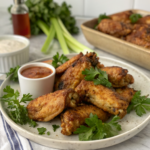
Have you ever wondered why restaurant-style wings taste so incredible, yet seem impossible to recreate at home without a deep fryer? The secret isn’t in complicated techniques or professional equipment—it’s in mastering the art of Air Fryer Chicken Wings. These perfectly crispy, golden-brown wings deliver that satisfying crunch without the guilt of deep-frying, making them the ultimate solution for both weeknight dinners and entertaining guests.
Air fryers have revolutionized home cooking, and chicken wings showcase this technology at its finest. By circulating superheated air around the wings, you achieve that coveted crispy exterior while keeping the meat tender and juicy inside. This method reduces fat content by up to 75% compared to traditional frying, yet delivers equally impressive results that will have everyone asking for your secret.
Whether you’re planning a game day gathering, looking for quick appetizers, or simply craving restaurant-quality wings at home, this comprehensive guide will walk you through every step. You’ll learn professional techniques, avoid common mistakes, and discover how to customize flavors to suit any preference. Get ready to transform simple chicken wings into an extraordinary culinary experience.
Ingredients List
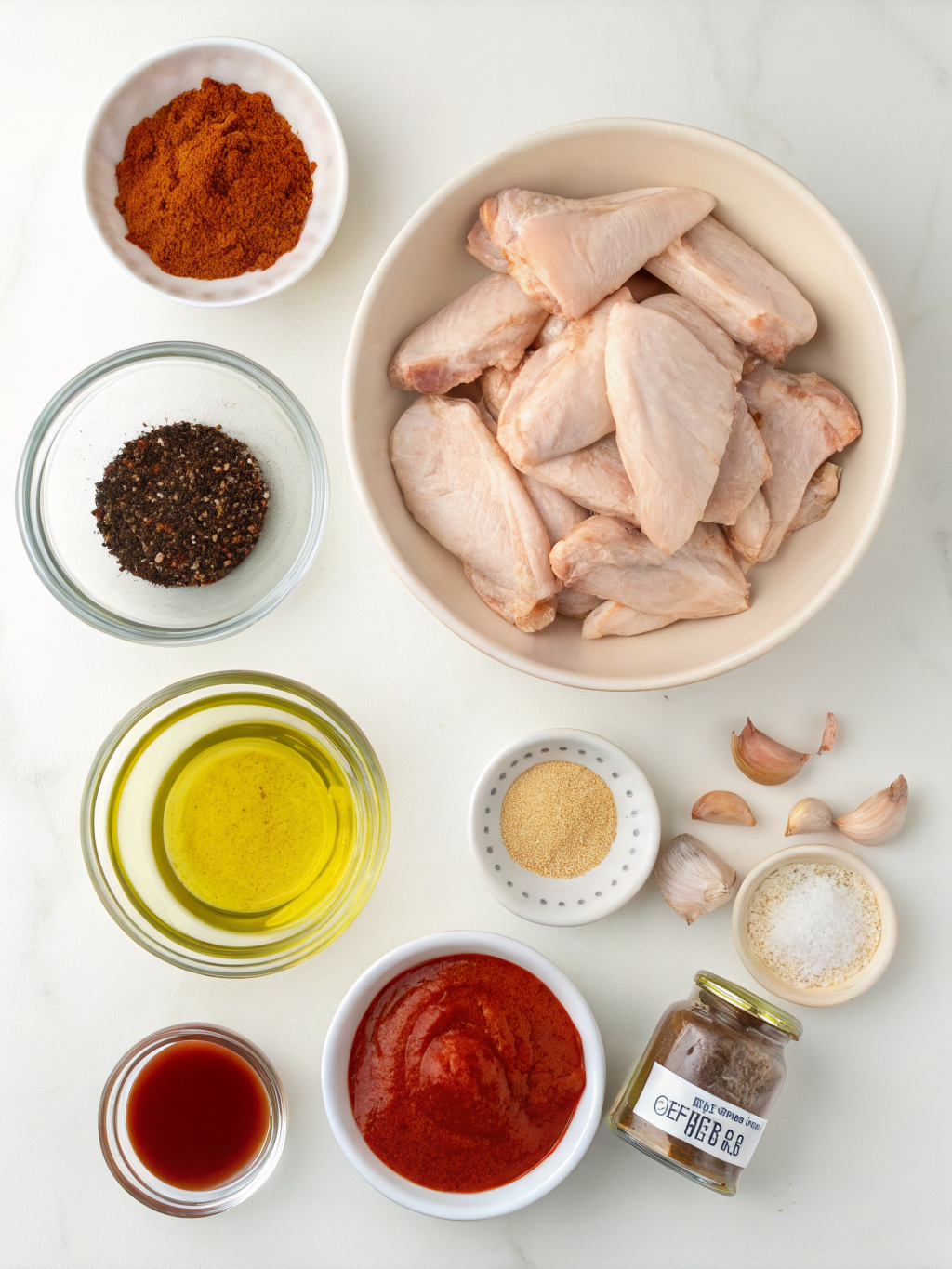
Gathering the right ingredients is crucial for creating perfectly crispy Air Fryer Chicken Wings. Here’s everything you’ll need to make wings that rival your favorite sports bar:
- 2 pounds chicken wings (drumettes and flats separated, or whole wings) – Choose fresh or thoroughly thawed wings for best results
- 1 tablespoon baking powder (aluminum-free) – The secret ingredient for ultra-crispy skin; do not substitute with baking soda
- 1 teaspoon salt – Kosher or sea salt works best for even seasoning
- ½ teaspoon black pepper – Freshly ground pepper adds aromatic depth
- ½ teaspoon garlic powder – Adds savory complexity without burning
- ½ teaspoon paprika – For color and subtle smokiness; smoked paprika works wonderfully
- 1 tablespoon olive oil or avocado oil – Helps seasonings adhere and promotes browning
- Your choice of sauce – Buffalo, BBQ, teriyaki, honey garlic, or dry rub seasonings
For substitutions, you can use coconut oil instead of olive oil for a hint of tropical flavor. If avoiding sodium, reduce salt and enhance flavor with onion powder, dried herbs, or lemon zest. The baking powder is non-negotiable for achieving that signature crispiness—it raises the skin’s pH, allowing it to brown and crisp more effectively.
Timing
Time management is essential when preparing crispy wings. Here’s a detailed breakdown of what to expect:
Preparation Time: 10 minutes – This includes patting wings dry, seasoning, and preheating your air fryer.
Cooking Time: 24-28 minutes – Actual air frying time, including flipping halfway through for even crisping.
Resting Time: 2-3 minutes – Allows juices to redistribute and coating to set properly.
Total Time: Approximately 40 minutes from start to finish, which is 35% faster than traditional oven-baked wings and significantly quicker than deep-frying with oil heating time. If you’re batch cooking for a crowd, add 10-12 minutes per additional pound, as you’ll need to work in batches to avoid overcrowding.
Step-by-Step Instructions
Step 1: Prepare the Chicken Wings
Remove wings from packaging and pat them completely dry using paper towels. This critical step removes excess moisture that would otherwise create steam, preventing that desired crispy texture. If time permits, place wings uncovered on a wire rack in the refrigerator for 1-2 hours to air-dry the skin further—this restaurant technique significantly enhances crispiness.
If using whole wings, separate them at the joints into drumettes and flats using a sharp knife. Discard the wing tips or save them for making stock. Ensure all wings are similar in size for even cooking.
Step 2: Season the Wings
In a large mixing bowl, combine baking powder, salt, black pepper, garlic powder, and paprika. Whisk these dry ingredients together thoroughly to ensure even distribution. Add the dried chicken wings to the bowl and toss to coat evenly with the seasoning mixture.
Drizzle olive oil over the seasoned wings and toss again until each piece glistens lightly. The oil helps seasonings adhere while promoting golden-brown color. Don’t oversaturate—you want a light coating, not a heavy oil bath. The baking powder will create a slightly pasty coating, which is exactly what you want.
Step 3: Preheat the Air Fryer
Set your air fryer to 380°F (193°C) and preheat for 3-5 minutes. Preheating ensures consistent cooking from the moment wings enter the basket, promoting even crisping. Different air fryer models vary in capacity and heat distribution, so consult your manual for specific recommendations.
While preheating, prepare your workspace with tongs, a clean plate for finished wings, and your chosen sauce if you’re tossing them after cooking.
Step 4: Arrange Wings in the Air Fryer Basket
Place wings in a single layer in the air fryer basket, ensuring they don’t overlap or touch excessively. Proper air circulation is paramount for achieving Air Fryer Chicken Wings with restaurant-quality crispiness. Overcrowding creates steam pockets that result in soggy skin.
Depending on your air fryer size, you’ll likely cook 1-1.5 pounds per batch. A 5-6 quart air fryer typically accommodates about 10-12 wing pieces comfortably. It’s better to cook in batches than compromise texture by overcrowding.
Step 5: Air Fry the Wings
Cook wings at 380°F for 12 minutes. After the timer sounds, open the basket and flip each wing using tongs to ensure even browning on all sides. This midpoint flip is crucial for uniform crispiness and prevents any pale spots.
Return the basket and continue cooking for an additional 12-16 minutes, depending on your preferred level of crispiness and your specific air fryer model. Wings are done when they reach an internal temperature of 165°F (74°C) and the skin appears deeply golden and crispy.
For extra-crispy wings, increase temperature to 400°F for the final 2-3 minutes, watching carefully to prevent burning. The skin should be crackling and bronze-colored.
Step 6: Sauce or Season
Transfer cooked wings to a large bowl. If using a wet sauce like buffalo or BBQ, add ¼ to ½ cup of sauce and toss wings gently but thoroughly to coat. For dry rubs, sprinkle your seasoning blend over hot wings and toss to distribute evenly.
The residual heat helps sauce adhere beautifully. If you prefer extra-saucy wings, you can return sauced wings to the air fryer for 1-2 minutes to caramelize the coating slightly, creating a sticky-sweet glaze.
Step 7: Rest and Serve
Allow wings to rest for 2-3 minutes before serving. This brief resting period lets the coating set and the juices redistribute throughout the meat, ensuring every bite is flavorful and moist. Arrange on a platter with celery sticks, carrot sticks, and your favorite dipping sauces.
Serve immediately while hot and crispy for the best eating experience. Wings lose their crispiness as they cool, so timing your batches to finish just before serving is ideal.
Nutritional Information
Understanding the nutritional profile helps you make informed decisions about portion sizes and meal planning. Per serving (approximately 4-5 wing pieces or about 4 ounces of cooked chicken):
Calories: 290-320 calories (unsauced) – Adding sauce increases this by 50-150 calories depending on type and quantity.
Protein: 26-28 grams – Chicken wings provide high-quality complete protein essential for muscle maintenance and satiety.
Fat: 20-22 grams – Primarily from the chicken skin; about 40% of this is heart-healthy unsaturated fat.
Carbohydrates: 1-2 grams (unsauced) – Naturally low-carb, making these perfect for keto and low-carb diets.
Sodium: 480-520 mg – Can be reduced by using less salt in the initial seasoning or choosing low-sodium sauces.
Cholesterol: 85-95 mg – Moderate amount, primarily from the dark meat and skin.
Compared to deep-fried wings, air-fried versions contain approximately 70-80 fewer calories per serving and 8-10 grams less fat. They also eliminate the concerns associated with reused frying oil while maintaining comparable taste and texture. Wings are rich in B vitamins, particularly niacin and B6, which support energy metabolism and nervous system function.
Healthier Alternatives for the Recipe
Making wings healthier doesn’t mean sacrificing flavor. Consider these modifications to align with various dietary goals while maintaining that irresistible taste:
Reduce Fat Content: Remove the skin before seasoning and cooking. While you’ll lose some crispiness, you’ll cut fat by nearly 50%. Compensate by using flavorful marinades with citrus, herbs, and spices. Skinless wings work particularly well with Asian-inspired glazes.
Lower Sodium: Replace table salt with potassium-based salt substitutes or use only ¼ teaspoon salt and boost flavor with fresh herbs like rosemary, thyme, and oregano. Lemon zest, lime juice, and vinegar-based hot sauces add tang without excessive sodium.
Increase Nutritional Value: Serve wings alongside nutrient-dense sides like roasted vegetables, quinoa salad, or fresh crudités with hummus. This balances the meal and adds fiber, vitamins, and minerals often lacking in wing-centric meals.
Gluten-Free Option: Ensure your baking powder is certified gluten-free and choose gluten-free sauces. The basic recipe is naturally gluten-free, making it suitable for those with celiac disease or gluten sensitivity.
Paleo and Whole30 Compliant: Skip the baking powder and use arrowroot powder instead, though results will be slightly less crispy. Choose compliant sauces or make your own with coconut aminos, tomato paste, and spices.
Boost Protein Ratio: Choose meatier drumettes over flats, or try this technique with chicken drumsticks for even more protein per serving. Drumsticks require slightly longer cooking time—about 25-30 minutes total.
Serving Suggestions
Presentation and accompaniments elevate wings from simple snack to memorable meal. Here are creative serving ideas that showcase your perfectly crispy wings:
Classic Game Day Spread: Arrange wings on a large platter surrounded by celery and carrot sticks, cherry tomatoes, and cucumber slices. Provide small bowls of ranch dressing, blue cheese dip, and extra hot sauce for customization. Add tortilla chips and guacamole to round out the spread.
Wing Bar Station: Set up a DIY wing bar with multiple sauce options—buffalo, honey BBQ, teriyaki, garlic parmesan, and Nashville hot. Let guests toss their own wings in their preferred flavors. This interactive approach works wonderfully for parties and keeps everyone engaged.
Asian-Inspired Presentation: Toss wings in sweet chili sauce or Korean gochujang glaze, then garnish with toasted sesame seeds, sliced scallions, and fresh cilantro. Serve with kimchi, pickled vegetables, and steamed edamame for an Asian fusion experience.
Loaded Wing Nachos: Chop cooked wings into bite-sized pieces and layer over tortilla chips with cheese, jalapeños, black beans, and your favorite nacho toppings. Broil briefly to melt cheese, then top with sour cream, guacamole, and pico de gallo.
Wing Salad Bowl: For a lighter meal, slice wings and serve over mixed greens with cherry tomatoes, cucumber, shredded carrots, and avocado. Drizzle with ranch or blue cheese dressing for a satisfying main course salad.
Sandwich Creation: Stuff wings into toasted hoagie rolls with coleslaw, pickles, and extra sauce for a messy, delicious wing sandwich. This transforms appetizers into a handheld meal perfect for casual dinners.
Common Mistakes to Avoid
Even experienced cooks can encounter pitfalls when making air fryer wings. Avoid these common errors to ensure perfect results every time:
- Skipping the Drying Step: Wet wings create steam rather than crisp up. Always pat wings thoroughly dry and consider air-drying in the refrigerator for maximum crispiness. This single step makes the biggest difference in texture.
- Using Baking Soda Instead of Baking Powder: These are not interchangeable. Baking soda creates an unpleasant metallic taste and won’t achieve the same crisping effect. Always use aluminum-free baking powder specifically.
- Overcrowding the Basket: Touching wings steam each other rather than crisp. Leave space between pieces for proper air circulation. Cooking in batches takes longer but delivers superior results worth the extra time.
- Not Preheating the Air Fryer: Starting with a cold air fryer extends cooking time and produces uneven results. Preheating for 3-5 minutes ensures consistent temperature from the start, promoting even browning.
- Forgetting to Flip: Wings need exposure on all sides for uniform crispiness. Flipping halfway through prevents pale spots and ensures every surface achiev