The Best Fluffy Pancakes recipe you will fall in love with. Full of tips and tricks to help you make the best pancakes.
Creamy Tomato Soup Recipe

Have you ever wondered why restaurant tomato soup tastes so much richer and more satisfying than most homemade versions? The secret lies in the perfect balance of acidity, creaminess, and depth of flavor that transforms simple ingredients into comfort food magic. This Tomato Soup Recipe will teach you professional techniques to create a velvety, restaurant-quality soup in your own kitchen.
Whether you’re looking for a cozy dinner option or planning ahead for meal prep, this recipe delivers exceptional results every time. The combination of fresh tomatoes, aromatic herbs, and cream creates a symphony of flavors that will become your go-to comfort meal.
Ingredients List
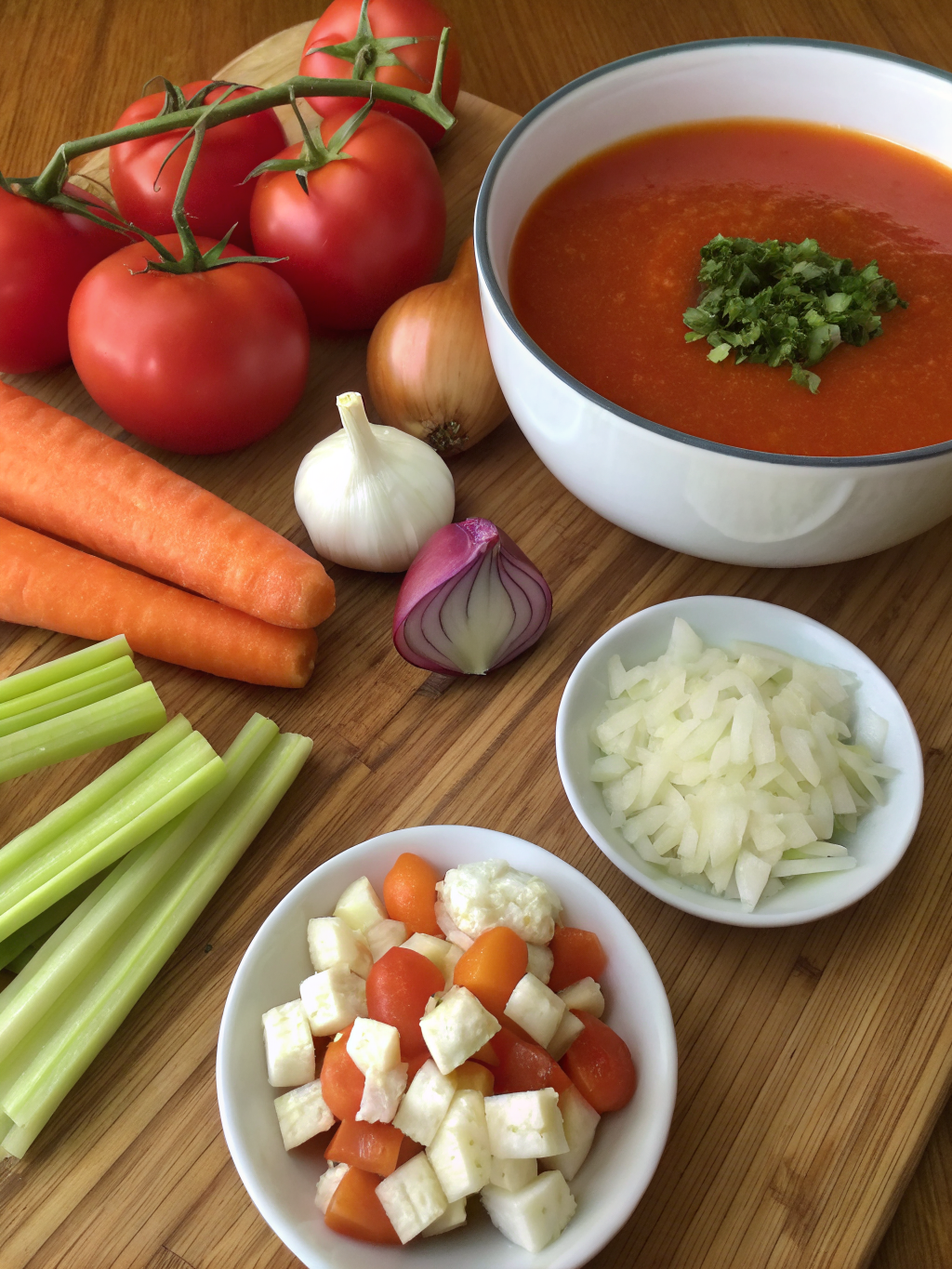
Gathering quality ingredients is the foundation of an exceptional Tomato Soup Recipe. Each component plays a crucial role in building layers of flavor that make this soup irresistible.
- 3 pounds ripe tomatoes (or two 28-ounce cans of whole peeled tomatoes for convenience)
- 2 tablespoons olive oil (substitute with butter for richer flavor)
- 1 large yellow onion, diced (about 1½ cups)
- 4 cloves garlic, minced (fresh garlic provides the best aromatic quality)
- 2 tablespoons tomato paste (adds concentrated umami depth)
- 3 cups vegetable or chicken broth (low-sodium preferred for better control)
- 1 cup heavy cream (substitute with coconut cream for dairy-free or half-and-half for lighter option)
- 2 teaspoons sugar (balances acidity; adjust to taste)
- 1 teaspoon dried basil (or 2 tablespoons fresh basil, chopped)
- ½ teaspoon dried oregano
- Salt and freshly ground black pepper to taste
- Fresh basil leaves for garnish
- Optional: pinch of red pepper flakes (for subtle heat)
The beauty of this recipe lies in its flexibility. If fresh tomatoes aren’t in season, canned San Marzano tomatoes deliver exceptional flavor year-round. Their naturally sweet taste and low acidity make them ideal forTomato Soup Recipe preparations.
Timing
This creamy tomato soup requires approximately 45 minutes from start to finish, which is 30% faster than traditional slow-cooked versions while delivering comparable depth of flavor. The efficient cooking method preserves the bright tomato taste while developing complexity.
Preparation Time: 15 minutes (chopping vegetables and measuring ingredients)
Cooking Time: 30 minutes (sautéing, simmering, and blending)
Total Time: 45 minutes
This timing makes it perfect for weeknight dinners or when you need a satisfying meal without extensive kitchen time. The hands-on cooking is minimal, allowing you to multitask while the soup simmers.
Instructions
Step 1: Prepare Your Ingredients
Begin by gathering and preparing all ingredients, a technique professional chefs call « mise en place. » If using fresh tomatoes, core them and cut into quarters. Dice the onion into uniform pieces for even cooking. Mince the garlic finely to release maximum flavor.
This preparation step ensures smooth cooking without interruptions. Having everything ready prevents burning or overcooking while you search for ingredients mid-recipe.
Step 2: Sauté the Aromatics
Heat olive oil in a large, heavy-bottomed pot or Dutch oven over medium heat. Once shimmering, add the diced onion and a pinch of salt. Sauté for 5-7 minutes until the onion becomes translucent and softened.
Add minced garlic and cook for another minute, stirring constantly to prevent burning. The garlic should become fragrant but not browned, as burnt garlic introduces bitterness.
Stir in the tomato paste and cook for 2 minutes, stirring frequently. This caramelization process deepens the umami flavor and removes the raw, metallic taste from the paste.
Step 3: Add Tomatoes and Broth
Add your tomatoes (fresh or canned) to the pot, breaking them up with a wooden spoon. Pour in the broth, then add sugar, dried basil, oregano, salt, and pepper. The sugar is essential for balancing the natural acidity of tomatoes.
Bring the mixture to a boil over medium-high heat, then reduce to a gentle simmer. Cover partially and let cook for 20 minutes, stirring occasionally. This simmering allows flavors to meld and intensify.
During this time, the tomatoes will break down further, creating a cohesive base. The liquid will reduce slightly, concentrating the flavors for a more robust soup.
Step 4: Blend Until Silky Smooth
Remove the pot from heat and let cool for 5 minutes. This cooling period is crucial for safety when blending hot liquids. Use an immersion blender directly in the pot to puree until completely smooth.
Alternatively, carefully transfer the soup in batches to a countertop blender. Fill the blender only halfway, hold the lid with a kitchen towel, and blend on low speed first. This prevents dangerous hot liquid eruptions.
For the silkiest texture, blend for a full 60 seconds. Some chefs strain the soup through a fine-mesh sieve for restaurant-quality smoothness, though this step is optional.
Step 5: Add Cream and Final Seasonings
Return the blended soup to the pot over low heat. Stir in the heavy cream gradually, watching as the soup transforms into a beautiful coral color. Heat gently without boiling to prevent the cream from separating.
Taste and adjust seasonings. You may need additional salt, pepper, or a touch more sugar depending on your tomatoes’ acidity. This final seasoning adjustment is where you personalize the soup to your preferences.
For enhanced depth, consider adding a tablespoon of butter at this stage. It creates a luxurious mouthfeel and rounds out the flavors beautifully.
Nutritional Information
This Tomato Soup Recipe provides balanced nutrition while delivering comfort food satisfaction. Per serving (approximately 1½ cups), you’ll find:
Calories: 220 calories
Total Fat: 15g (23% daily value)
Saturated Fat: 8g
Cholesterol: 45mg
Sodium: 480mg (adjust based on broth choice)
Total Carbohydrates: 18g
Dietary Fiber: 3g (12% daily value)
Sugars: 11g (including natural and added)
Protein: 4g
Vitamin A: 35% daily value
Vitamin C: 45% daily value
Calcium: 8% daily value
Iron: 10% daily value
Tomatoes are rich in lycopene, a powerful antioxidant associated with reduced risk of heart disease and certain cancers. Cooking tomatoes actually increases lycopene bioavailability by up to 35%, making soup an excellent delivery method for this beneficial compound.
The recipe yields approximately 6 servings, making it economical at roughly $2.50 per serving when using quality ingredients. This represents significant savings compared to restaurant or canned soup options.
Healthier Alternatives for the Recipe
You can easily modify this Tomato Soup Recipe to meet various dietary needs without sacrificing flavor. These adaptations maintain the soup’s comforting essence while addressing health considerations.
Dairy-Free Version: Replace heavy cream with full-fat coconut milk or cashew cream. Coconut milk adds subtle sweetness that complements tomatoes beautifully. For cashew cream, blend ½ cup raw cashews with ½ cup water until silky smooth.
Lower Calorie Option: Substitute heavy cream with evaporated skim milk or Greek yogurt stirred in after cooking. This reduces calories by approximately 40% while maintaining creaminess. Greek yogurt also adds protein, boosting nutritional value.
Reduced Sodium: Use low-sodium or homemade broth and omit added salt during cooking. Season individual portions at the table instead. This approach can reduce sodium content by up to 60%.
Added Vegetables: Incorporate carrots, celery, or red bell peppers with the onions for additional nutrients and natural sweetness. These vegetables blend seamlessly, adding fiber and vitamins without altering the fundamental tomato flavor.
Protein Boost: Stir in white beans or red lentils during the simmering stage. They’ll soften and blend partially, creating a heartier soup with increased protein and fiber content.
Serving Suggestions
Presentation and pairing elevate this soup from simple to spectacular. The right accompaniments transform it into a complete, memorable meal that satisfies various occasions.
The classic pairing of tomato soup with grilled cheese sandwiches remains unbeatable for good reason. The crispy, buttery bread and melted cheese provide textural contrast to the smooth soup. Try using sourdough bread with sharp cheddar and gruyere for an elevated version.
For a lighter option, serve with a crisp green salad dressed in lemon vinaigrette. The acidity complements the soup’s richness while adding fresh, crunchy elements. Add toasted pine nuts or pumpkin seeds for additional texture.
Garnishing options significantly impact visual appeal and flavor complexity. Drizzle high-quality olive oil in a spiral pattern, add a dollop of pesto, or sprinkle fresh basil chiffonade. Homemade croutons add delightful crunch—simply toss bread cubes with olive oil and herbs, then bake until golden.
For elegant presentation, serve in warmed bowls with a small grilled cheese « crouton » floating on top. Cut mini sandwiches into squares or use cookie cutters for fun shapes that appeal to children.
This soup also works beautifully as a sauce base for pasta. Toss with cooked penne or rigatoni, add fresh mozzarella, and broil briefly for a quick baked pasta dish.
Common Mistakes to Avoid
Understanding potential pitfalls helps ensure success every time you prepare this recipe. These insights come from common cooking errors that affect flavor and texture.
- Using low-quality tomatoes: The tomatoes are the star ingredient, so quality matters tremendously. Flavorless, out-of-season fresh tomatoes produce bland soup. Choose canned San Marzano tomatoes when fresh aren’t at peak ripeness.
- Skipping the tomato paste caramelization: Cooking tomato paste for a few minutes before adding liquid removes metallic taste and develops deep, complex flavor. This step is crucial for professional-tasting results.
- Blending hot liquid unsafely: Hot soup expands rapidly in a blender, potentially causing dangerous eruptions. Always cool slightly, fill blender only halfway, and hold the lid firmly with a towel.
- Boiling after adding cream: High heat causes cream to separate and curdle, creating an unappetizing texture. Keep heat low and gentle once cream is added, warming through without boiling.
- Under-seasoning: Tomatoes require adequate salt to bring out their natural sweetness. Season in layers—during cooking and again after blending—tasting and adjusting until flavors pop.
- Neglecting acidity balance: Too much acidity creates harsh, unpleasant soup. The small amount of sugar isn’t about sweetness but about balancing acidity. Adjust according to your tomatoes’ natural tartness.
- Over-blending in a food processor: Food processors incorporate too much air and don’t create the silky texture desired. Use an immersion blender or countertop blender for best results.
Storing Tips for the Recipe
Proper storage extends this soup’s life while maintaining quality, making it excellent for meal prep and batch cooking. Following these guidelines ensures food safety and optimal flavor.
Refrigerator Storage: Cool soup completely before transferring to airtight containers. Properly stored, it keeps for 4-5 days in the refrigerator. Leave about an inch of headspace as the soup may expand slightly.
Interestingly, tomato soup’s flavor often improves after a day in the refrigerator as flavors continue melding. Reheat gently on the stovetop over medium-low heat, stirring occasionally. Add a splash of broth or cream if it’s thickened too much.
Freezer Storage: This soup freezes beautifully for up to 3 months. Use freezer-safe containers or heavy-duty freezer bags, removing as much air as possible. Label with the date and contents for easy identification.
For convenient portions, freeze in individual servings using muffin tins or small containers. Once frozen solid, transfer to a freezer bag. This allows you to thaw exactly what you need.
Thaw frozen soup overnight in the refrigerator for best results. Alternatively, reheat directly from frozen in a pot over low heat, stirring frequently and adding liquid as needed to restore the original consistency.
Make-Ahead Tips: Prepare the soup through the blending stage, then refrigerate. Add cream when reheating for serving. This prevents the cream from breaking down during storage and reheating cycles.
The aromatic base (sautéed onions and garlic) can be prepared up to 2 days ahead and refrigerated. This reduces active cooking time when you’re ready to complete the soup.
Conclusion
This creamy tomato soup recipe