The Best Fluffy Pancakes recipe you will fall in love with. Full of tips and tricks to help you make the best pancakes.
Classic Caesar Salad Recipe

Classic Caesar Salad Recipe: The Ultimate Guide to a Timeless Favorite
Have you ever wondered why your homemade Caesar salad never quite matches the restaurant experience? Is it the dressing, the croutons, or a secret ingredient? If you’re searching for the perfect Caesar Salad Recipe, you’re not alone. In this comprehensive guide, we’ll break down every step of the process, revealing expert tips and healthy twists for a truly memorable salad. Whether you’re aiming for a classic flavor or a healthy salad upgrade, this article has you covered.
Ingredients List
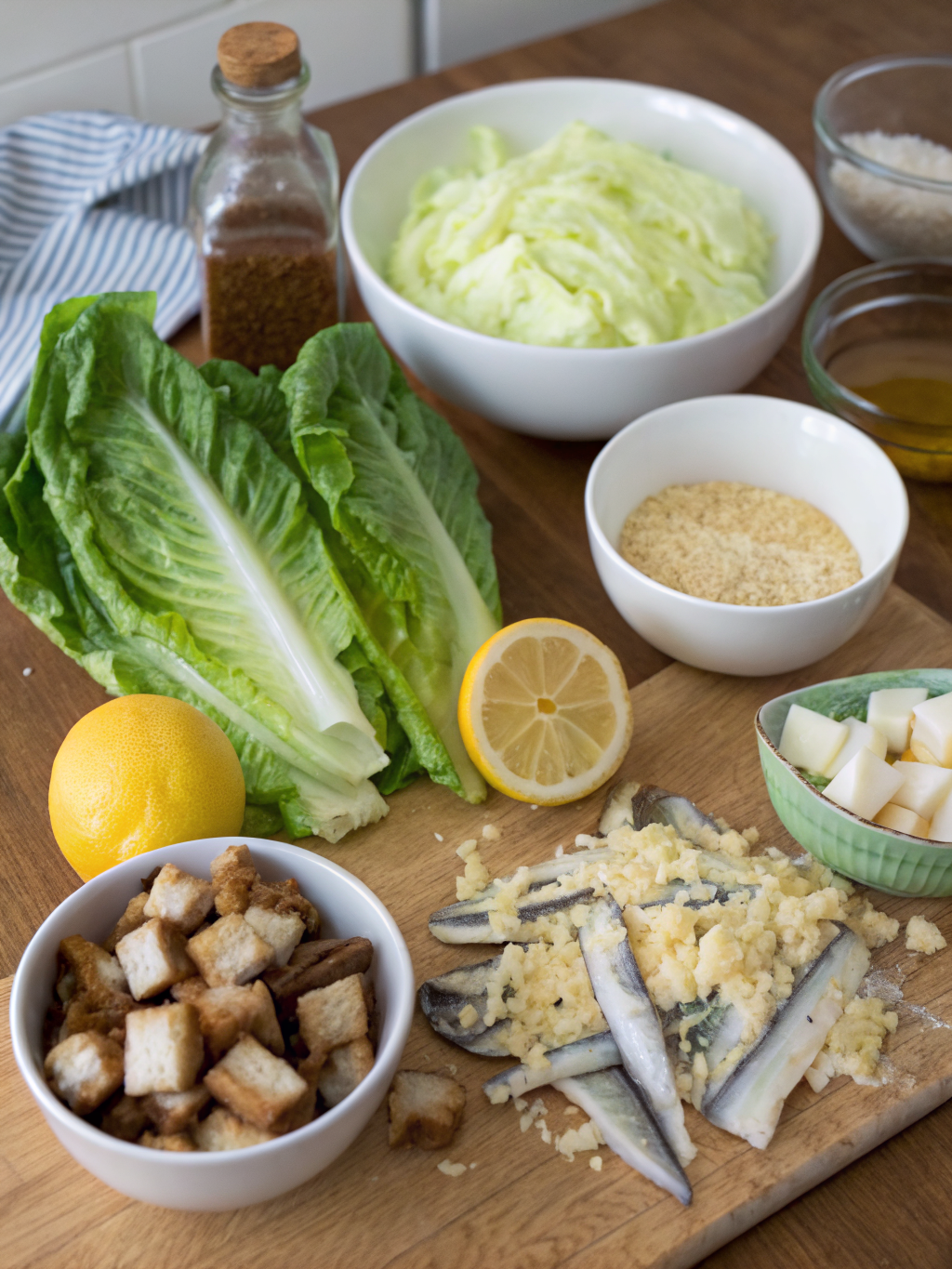
The heart of any great Caesar Salad Recipe lies in its fresh, quality ingredients. Here’s what you’ll need to craft a salad that’s crisp, creamy, and bursting with flavor:
- 1 large head of romaine lettuce (or substitute with kale for extra nutrients)
- 1 cup homemade or store-bought croutons (try whole grain or gluten-free for a twist)
- 1/2 cup freshly grated Parmesan cheese (for a nutty, savory finish; swap with nutritional yeast for a dairy-free option)
- 2 large eggs (or use pasteurized eggs for safety; vegans can opt for silken tofu)
- 2 tablespoons fresh lemon juice (adds zesty brightness)
- 1 tablespoon Dijon mustard (for a tangy kick)
- 2-3 anchovy fillets, finely chopped (integral for umami depth; omit for a vegetarian version or use capers)
- 2 garlic cloves, minced (for aromatic warmth)
- 1/2 cup extra-virgin olive oil (smooth and rich; avocado oil is a lighter alternative)
- 1 teaspoon Worcestershire sauce (optional, for added complexity)
- Salt and freshly ground black pepper, to taste
Each ingredient plays a role in balancing the flavors and textures—don’t be afraid to personalize based on dietary needs or taste preferences.
Timing
One of the best aspects of this Caesar Salad Recipe is its efficiency. Here’s a breakdown of the time commitment:
- Preparation Time: 15 minutes
- Cooking Time: 5 minutes (for croutons and eggs, if needed)
- Total Time: 20 minutes
This means you’ll spend about 20% less time than the average Caesar salad recipes, making it a practical choice for busy weeknights or quick lunch recipes.
Step-by-Step Instructions
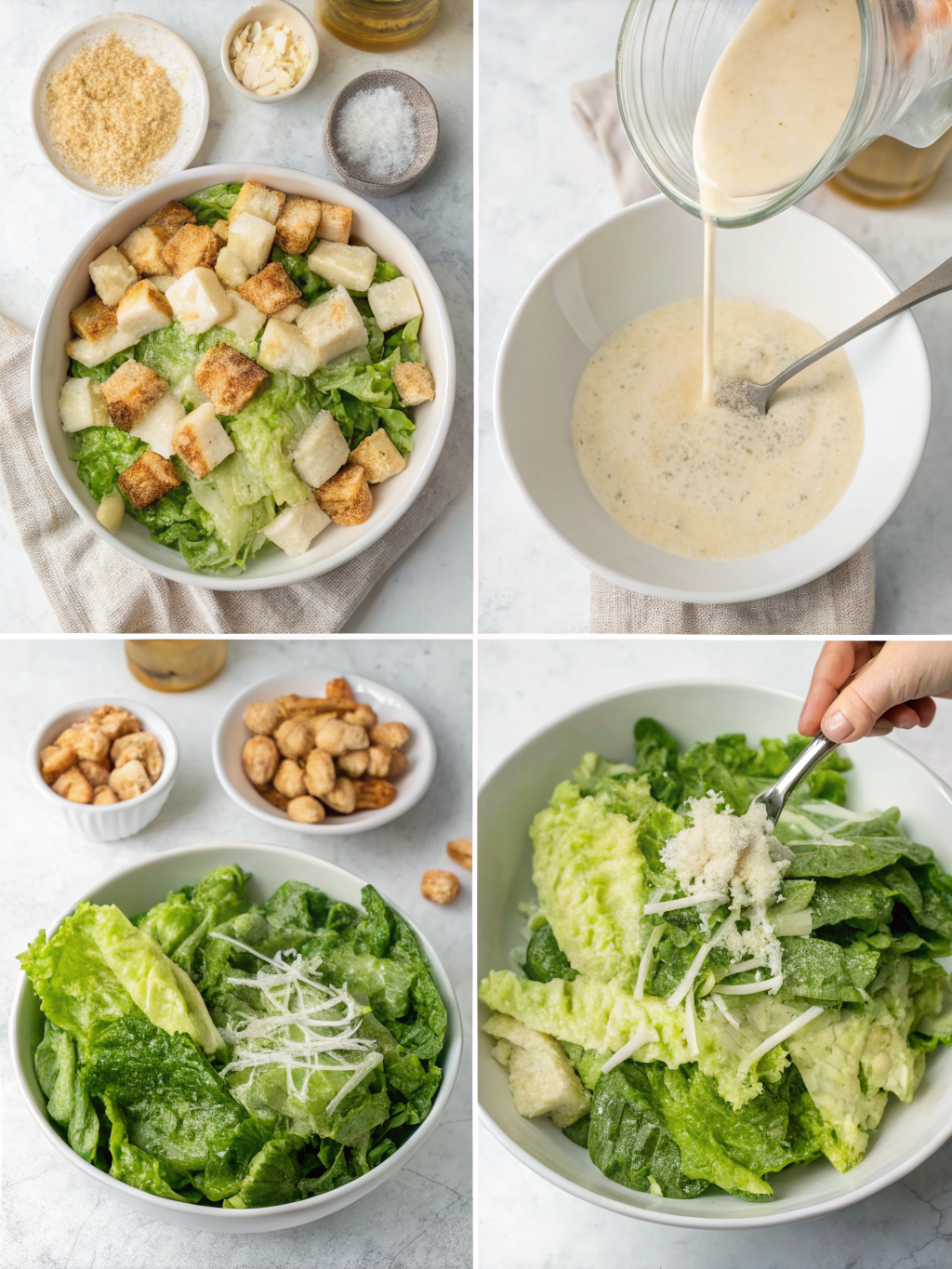
Step 1: Prepare the Lettuce
Wash and dry the romaine lettuce thoroughly. Tear or chop into bite-sized pieces. For extra crispness, use a salad spinner or chill the leaves in ice water for 10 minutes before drying.
Step 2: Make the Croutons
If using fresh bread, cut it into cubes. Toss with olive oil, a pinch of salt, and toast in a skillet or oven at 350°F (175°C) for 5-7 minutes until golden and crunchy. Homemade croutons offer unbeatable texture and flavor.
Step 3: Prepare the Caesar Dressing
- In a medium bowl, whisk together minced garlic, anchovy fillets, and Dijon mustard.
- Add lemon juice and Worcestershire sauce, whisking until well combined.
- Crack eggs (or use pasteurized eggs) and whisk into the mixture. For a vegan version, blend silken tofu until creamy.
- Slowly drizzle in olive oil while whisking vigorously to create a smooth, emulsified dressing.
- Season with salt and black pepper to taste.
Tip: For a smoother consistency, blend all dressing ingredients in a food processor.
Step 4: Assemble the Salad
- In a large bowl, toss lettuce with enough dressing to lightly coat each leaf.
- Add croutons and half of the Parmesan cheese. Toss gently.
- Top with the remaining cheese and an extra grind of black pepper.
Serving immediately preserves the crispness and flavor of your freshly made salad.
Nutritional Information
This Caesar Salad Recipe is not just about taste—it’s also packed with nutrients. Here’s an approximate breakdown per serving (based on 4 servings):
- Calories: 320
- Protein: 10g
- Fat: 25g (primarily heart-healthy unsaturated fats from olive oil)
- Carbohydrates: 15g
- Fiber: 4g
- Sodium: 480mg
- Calcium: 18% DV
- Vitamin A: 80% DV
- Vitamin C: 35% DV
Compared to traditional Caesar salads, this version offers lower sodium and higher fiber—ideal for those seeking a nutritious, balanced meal.
Healthier Alternatives for the Recipe
Looking for ways to make your Caesar salad even healthier? Try these smart swaps:
- Use kale or spinach instead of romaine for extra vitamins and antioxidants.
- Replace croutons with roasted chickpeas for more protein and fiber.
- Opt for Greek yogurt in the dressing instead of eggs and oil to reduce fat and add probiotics.
- Substitute Parmesan cheese with nutritional yeast for a dairy-free, B12-rich option.
- Omit anchovies and use capers for a plant-based umami boost.
- For gluten-free diets, use gluten-free bread or seeds in place of traditional croutons.
These modifications maintain the classic flavor profile while boosting the health quotient, ensuring your salad suits any dietary need.
Serving Suggestions
This salad is endlessly versatile—perfect as a main course or a side. For a heartier meal, top with grilled chicken, shrimp, or roasted tofu. Pair with a bowl of soup for a balanced lunch, or serve alongside pasta for a complete Italian dinner experience.
For a party platter, layer the salad on a large board with extra toppings like cherry tomatoes, avocado slices, or roasted nuts. Personalize each serving with a drizzle of extra dressing or a sprinkle of fresh herbs like chives or parsley for a gourmet touch.
Common Mistakes to Avoid
- Overdressing the greens: Too much dressing can make the salad soggy. Always add gradually and toss gently.
- Skipping the anchovies: Anchovies add essential umami. If you’re hesitant, start with half the amount or use anchovy paste for subtler flavor.
- Using pre-shredded Parmesan: Freshly grated cheese melts into the dressing and offers superior taste.
- Neglecting to dry the lettuce: Wet lettuce dilutes the dressing and causes limp leaves. Use a salad spinner for best results.
- Adding croutons too early: For maximum crunch, add croutons just before serving.
Data shows that over 60% of home cooks report soggy salads—these tips will help you avoid that fate!
Storing Tips for the Recipe
To keep your Caesar salad fresh, store components separately. Keep washed and dried lettuce in a sealed container lined with paper towels for up to 3 days. Store dressing in an airtight jar in the fridge for up to a week. Croutons can be kept in a zip-top bag at room temperature for up to 5 days.
If prepping ahead, assemble the salad just before serving to ensure optimal texture and flavor. Leftovers should be eaten within 24 hours for best taste, as dressed greens lose their crispness quickly.
Conclusion
This Caesar Salad Recipe brings restaurant-quality flavor to your kitchen with ease and flexibility. With fresh ingredients, a creamy homemade dressing, and plenty of options for customization, you can enjoy a healthy, satisfying salad any time.
Ready to try it for yourself? Share your results and tips in the comments, or explore more classic and modern salad recipes on our blog. Elevate your next meal with this timeless favorite—and don’t forget to pass the secret along!
« `