The Best Fluffy Pancakes recipe you will fall in love with. Full of tips and tricks to help you make the best pancakes.
Honey Garlic Salmon Recipe

Have you ever wondered why restaurant salmon tastes so much better than homemade versions, despite using similar ingredients? The secret often lies in the perfect glaze that caramelizes beautifully while keeping the fish moist and flavorful. This Honey Garlic Salmon recipe will transform your weeknight dinners into restaurant-quality meals that your family will request again and again.
Learning to prepare salmon properly is a game-changer for home cooks. This dish combines the natural richness of salmon with a sticky, sweet honey garlic glaze that creates an irresistible flavor profile. Whether you’re new to cooking fish or a seasoned chef, this recipe delivers consistent, delicious results every single time.
Salmon is not only delicious but also incredibly nutritious, packed with omega-3 fatty acids, high-quality protein, and essential vitamins. When paired with honey and garlic, you create a harmonious blend that enhances the fish’s natural flavors without overwhelming them. This recipe is perfect for busy weeknights yet elegant enough for special occasions.
Ingredients List
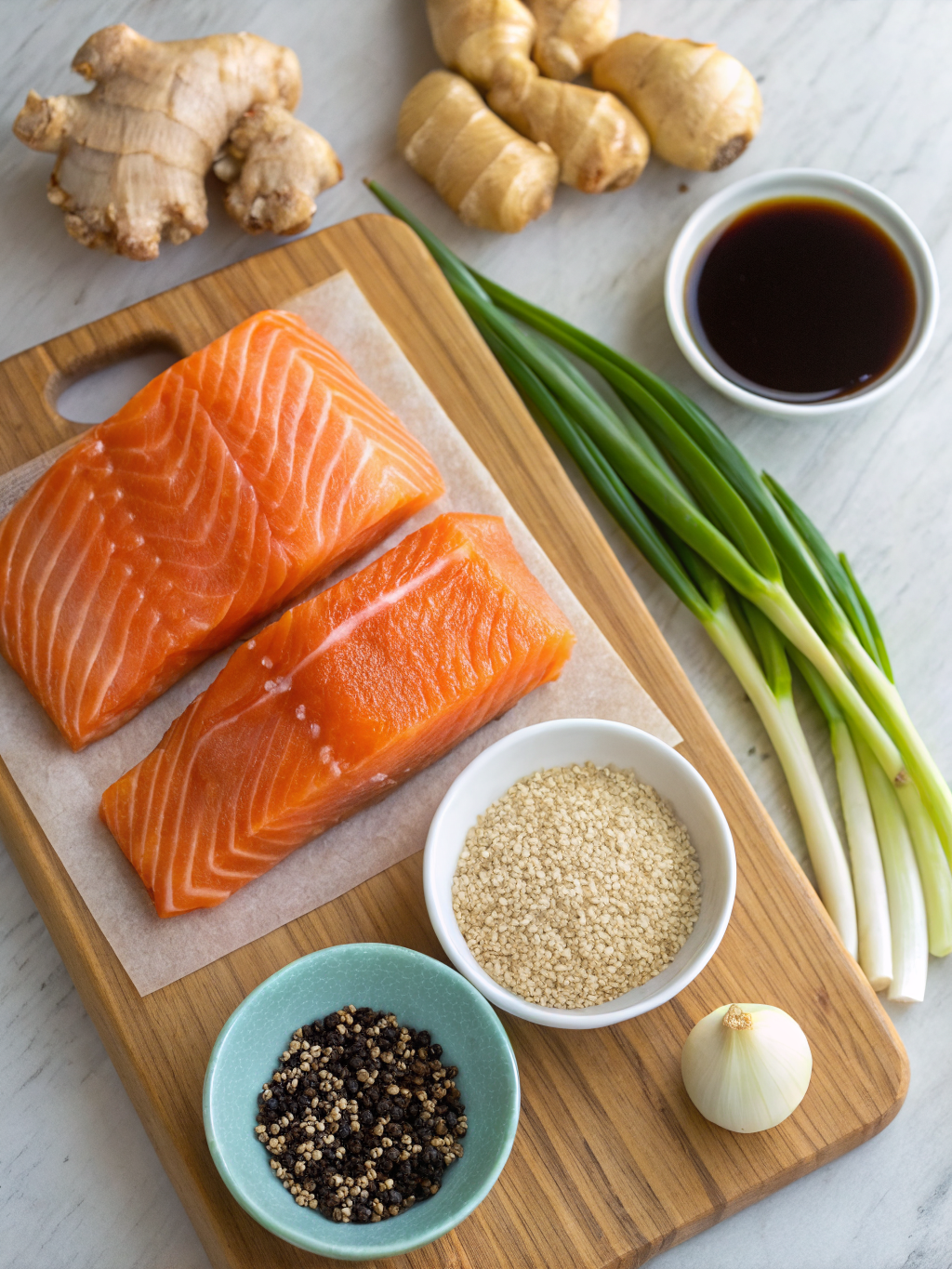
Gathering the right ingredients is crucial for achieving the perfect Honey Garlic Salmon. Here’s everything you’ll need to create this mouthwatering dish:
- 4 salmon fillets (6 ounces each): Fresh or thawed wild-caught salmon works best. Look for bright, firm flesh with no fishy odor. Farmed salmon can be substituted if preferred.
- 1/3 cup honey: Use pure, raw honey for the best flavor. Maple syrup can substitute for a different sweetness profile.
- 4 cloves garlic, minced: Fresh garlic is essential for robust flavor. Avoid garlic powder as it won’t provide the same depth.
- 3 tablespoons soy sauce: Low-sodium soy sauce works well. Tamari or coconut aminos can replace for gluten-free needs.
- 2 tablespoons fresh lemon juice: Freshly squeezed is best. Lime juice offers a tangier alternative.
- 1 tablespoon olive oil: Extra virgin olive oil adds richness. Avocado oil is an excellent substitute.
- 1 teaspoon grated fresh ginger: This adds warmth and complexity. Ground ginger (1/4 teaspoon) can substitute in a pinch.
- Salt and black pepper to taste: Season according to your preference.
- Fresh parsley or cilantro for garnish: Adds color and freshness to the finished dish.
- Sesame seeds (optional): For added texture and visual appeal.
Timing
One of the best features of this seafood recipes is its efficiency. The entire process takes approximately 25 minutes from start to finish, making it ideal for busy weeknights when time is precious but you still want a nutritious, homemade meal.
Preparation Time: 10 minutes – This includes mincing garlic, mixing the glaze, and preparing the salmon fillets. Having all ingredients measured and ready before starting (mise en place) makes the process even smoother.
Cooking Time: 12-15 minutes – The actual cooking time depends on the thickness of your salmon fillets and your desired level of doneness. Thicker cuts may require an additional 2-3 minutes.
Total Time: 25 minutes – This represents approximately 40% less time than many traditional salmon recipes that involve complex marinades or lengthy cooking methods. You’ll have a complete, impressive meal on the table in under half an hour.
Instructions
Step 1: Prepare the Honey Garlic Glaze
In a small mixing bowl, whisk together the honey, minced garlic, soy sauce, lemon juice, and grated ginger until thoroughly combined. The mixture should be smooth and slightly thick. This glaze is the star of the recipe, creating that signature sweet and savory flavor.
Set aside about 2 tablespoons of the glaze in a separate small bowl for drizzling after cooking. This ensures you have uncontaminated sauce for finishing, which is an important food safety practice when working with raw fish.
Step 2: Prepare the Salmon Fillets
Pat the salmon fillets completely dry using paper towels. This step is crucial for achieving a beautiful sear and preventing the fish from steaming. Moisture is the enemy of caramelization, so take your time with this step.
Season both sides of each fillet lightly with salt and freshly ground black pepper. Remember that the soy sauce in the glaze adds saltiness, so use a light hand with the salt to avoid over-seasoning.
Step 3: Sear the Salmon
Heat the olive oil in a large oven-safe skillet over medium-high heat. Once the oil shimmers and moves easily across the pan, carefully place the salmon fillets skin-side up (or presentation side down if skinless) in the pan.
Sear for 3-4 minutes without moving the fillets. Resist the temptation to flip too early—a golden crust should form naturally. The salmon will release from the pan when it’s ready to flip. If it sticks, give it another minute.
Step 4: Apply the Glaze and Finish Cooking
Carefully flip the salmon fillets using a fish spatula or thin metal spatula. Immediately brush the top of each fillet generously with the honey garlic glaze, reserving some for additional applications during cooking.
If your skillet is oven-safe, you can transfer it to a preheated 400°F (200°C) oven for 6-8 minutes. Alternatively, reduce the heat to medium and continue cooking on the stovetop, basting with additional glaze every 2 minutes until the salmon reaches your desired doneness.
The salmon is perfectly cooked when it flakes easily with a fork and reaches an internal temperature of 145°F (63°C). For a slightly more tender, restaurant-style finish, you can remove it at 140°F as carryover cooking will bring it to temperature.
Step 5: Final Glaze and Presentation
During the last minute of cooking, brush the salmon one final time with the glaze to create a beautiful, glossy finish. The sugars in the honey will caramelize slightly, creating an appetizing sheen and intensified flavor.
Remove from heat and immediately drizzle with the reserved fresh glaze. Garnish with freshly chopped parsley or cilantro and a sprinkle of sesame seeds if desired. Serve immediately while hot for the best texture and flavor experience.
Nutritional Information
This Honey Garlic Salmon recipe provides exceptional nutritional value, making it an ideal choice for health-conscious individuals and families. Each serving (one 6-ounce fillet with glaze) contains approximately:
Calories: 380-420 calories per serving, depending on the specific salmon cut used. Wild-caught salmon tends to be slightly leaner than farmed varieties.
Protein: 34-38 grams of high-quality, complete protein that contains all essential amino acids. This represents approximately 70% of the daily recommended intake for most adults.
Fat: 16-20 grams, primarily from heart-healthy omega-3 fatty acids (EPA and DHA). Salmon is one of the richest sources of these essential fats, which support brain health, reduce inflammation, and promote cardiovascular wellness.
Carbohydrates: 18-22 grams, mainly from the honey in the glaze. The natural sugars provide quick energy without the processed additives found in many commercial sauces.
Fiber: Less than 1 gram. Pair with fiber-rich vegetables to create a more balanced meal.
Key Vitamins and Minerals: Salmon is exceptionally rich in vitamin D (providing over 100% of daily needs), vitamin B12, selenium, and potassium. The garlic adds additional antioxidants and immune-supporting compounds.
Research indicates that consuming fatty fish like salmon at least twice weekly is associated with reduced risk of heart disease, improved cognitive function, and better overall health outcomes. This recipe makes meeting that recommendation absolutely delicious.
Healthier Alternatives for the Recipe
While this recipe is already quite nutritious, you can make several modifications to suit specific dietary needs or health goals without sacrificing flavor:
Reduce Sugar Content: Cut the honey by half and add a tablespoon of orange juice for sweetness and acidity. This reduces the carbohydrate content by approximately 40% while maintaining the glaze’s consistency.
Lower Sodium Option: Use low-sodium soy sauce or replace half the soy sauce with balsamic vinegar. This modification can reduce sodium by up to 50%, making it more suitable for those monitoring salt intake.
Keto-Friendly Version: Replace honey with a sugar-free sweetener like monk fruit or erythritol. Add a touch of apple cider vinegar to mimic honey’s complexity. This creates a nearly zero-carb glaze.
Paleo Adaptation: Substitute coconut aminos for soy sauce and use raw honey. This keeps the recipe compliant with paleo guidelines while maintaining the essential flavor profile.
Increase Vegetable Content: Add thinly sliced bell peppers, snap peas, or asparagus to the pan during the last 5 minutes of cooking. They’ll absorb the delicious glaze while adding fiber, vitamins, and volume to the meal.
Spicy Variation: Add 1/2 teaspoon of red pepper flakes or a teaspoon of sriracha to the glaze for a spicy kick. Capsaicin has metabolism-boosting properties and adds exciting complexity.
Serving Suggestions
The versatility of this recipe makes it perfect for various serving styles and occasions. Here are creative ways to present and pair your salmon:
Classic Plating: Serve the glazed salmon over a bed of fluffy jasmine rice or quinoa with steamed broccoli or green beans on the side. Drizzle any remaining glaze over the entire plate for a cohesive presentation.
Asian-Inspired Bowl: Create a nourishing bowl with brown rice, edamame, shredded carrots, cucumber ribbons, and avocado slices. Top with the salmon and garnish with sesame seeds and sliced green onions.
Low-Carb Option: Pair with cauliflower rice and roasted Brussels sprouts or zucchini noodles. This combination keeps the meal light while providing satisfying flavors and textures.
Salad Topper: Flake the cooked salmon over a fresh mixed green salad with cherry tomatoes, cucumbers, and a light vinaigrette. The warm salmon contrasts beautifully with crisp, cool vegetables.
Meal Prep Strategy: Cook multiple fillets at once and portion with roasted sweet potatoes and green beans for ready-to-eat lunches throughout the week. The salmon reheats well and maintains its flavor.
Entertaining Style: Serve on a large platter garnished with lemon wedges, fresh herbs, and colorful vegetables. This family-style presentation encourages sharing and creates a memorable dining experience.
Common Mistakes to Avoid
Even simple recipes can go wrong without proper technique. Here are the most common pitfalls and how to avoid them:
- Overcooking the Salmon: This is the number one mistake home cooks make. Salmon continues cooking after removal from heat, so take it off when it’s slightly underdone in the center. Overcooked salmon becomes dry and loses its delicate texture.
- Using Wet Fish: Failing to pat the salmon dry prevents proper searing and caramelization. Always thoroughly dry the surface before cooking for the best crust and glaze adhesion.
- Overcrowding the Pan: Placing fillets too close together creates steam instead of a sear. Leave at least an inch between fillets, or cook in batches if necessary.
- Flipping Too Early: Moving the salmon before it naturally releases from the pan tears the flesh and ruins presentation. Patience is key—wait for the crust to form completely.
- Burning the Glaze: Honey burns quickly at high temperatures. If cooking stovetop after flipping, reduce heat to medium and watch carefully. The oven method provides more controlled, even cooking.
- Skipping the Reserved Glaze: Using the same glaze that touched raw fish as a finishing sauce poses food safety risks. Always set aside fresh glaze for drizzling after cooking.
- Not Checking Internal Temperature: Visual cues can be misleading. Use an instant-read thermometer inserted into the thickest part to ensure perfect doneness every time.
Storing Tips for the Recipe
Proper storage ensures you can enjoy leftovers safely while maintaining the best possible quality and flavor:
Refrigeration: Store cooled salmon in an airtight container in the refrigerator for up to 3 days. Place parchment paper between fillets if stacking to prevent them from sticking together. The glaze may thicken when cold but will loosen slightly when reheated.
Reheating Instructions: For best results, reheat gently in a 275°F (135°C) oven for 10-12 minutes until warmed through. This low-and-slow method prevents further cooking and drying. Alternatively, microwave on 50% power in 30-second intervals, though this may affect texture slightly.
Freezing: While fresh is best, you can freeze cooked salmon for up to 2 months. Wrap individual portions tightly in plastic wrap, then place in a freezer-safe bag with air removed. Thaw overnight in the refrigerator before reheating.
Meal Prep Strategy: The glaze can be prepared up to 5 days in advance and stored in a sealed container in the refrigerator. This makes weeknight cooking even faster—simply sear the salmon and apply the pre-made glaze.