The Best Fluffy Pancakes recipe you will fall in love with. Full of tips and tricks to help you make the best pancakes.
Loaded Baked Potato Soup

Have you ever wondered why a simple bowl of soup can instantly transport you back to cozy family dinners and warm winter evenings? There’s something magical about a steaming bowl of Potato Soup Recipe that goes beyond mere sustenance. This loaded baked potato soup combines the beloved flavors of a fully-loaded baked potato with the comforting warmth of a creamy, hearty soup. It’s the perfect marriage of texture, flavor, and nostalgia that will have your family asking for seconds every single time.
This recipe transforms humble potatoes into a restaurant-quality dish that’s surprisingly simple to make at home. Whether you’re cooking for a weeknight dinner or entertaining guests, this soup delivers impressive results without requiring professional chef skills. The combination of crispy bacon, melted cheese, and tender potatoes creates layers of flavor that make this Potato Soup Recipe truly unforgettable.
Ingredients List
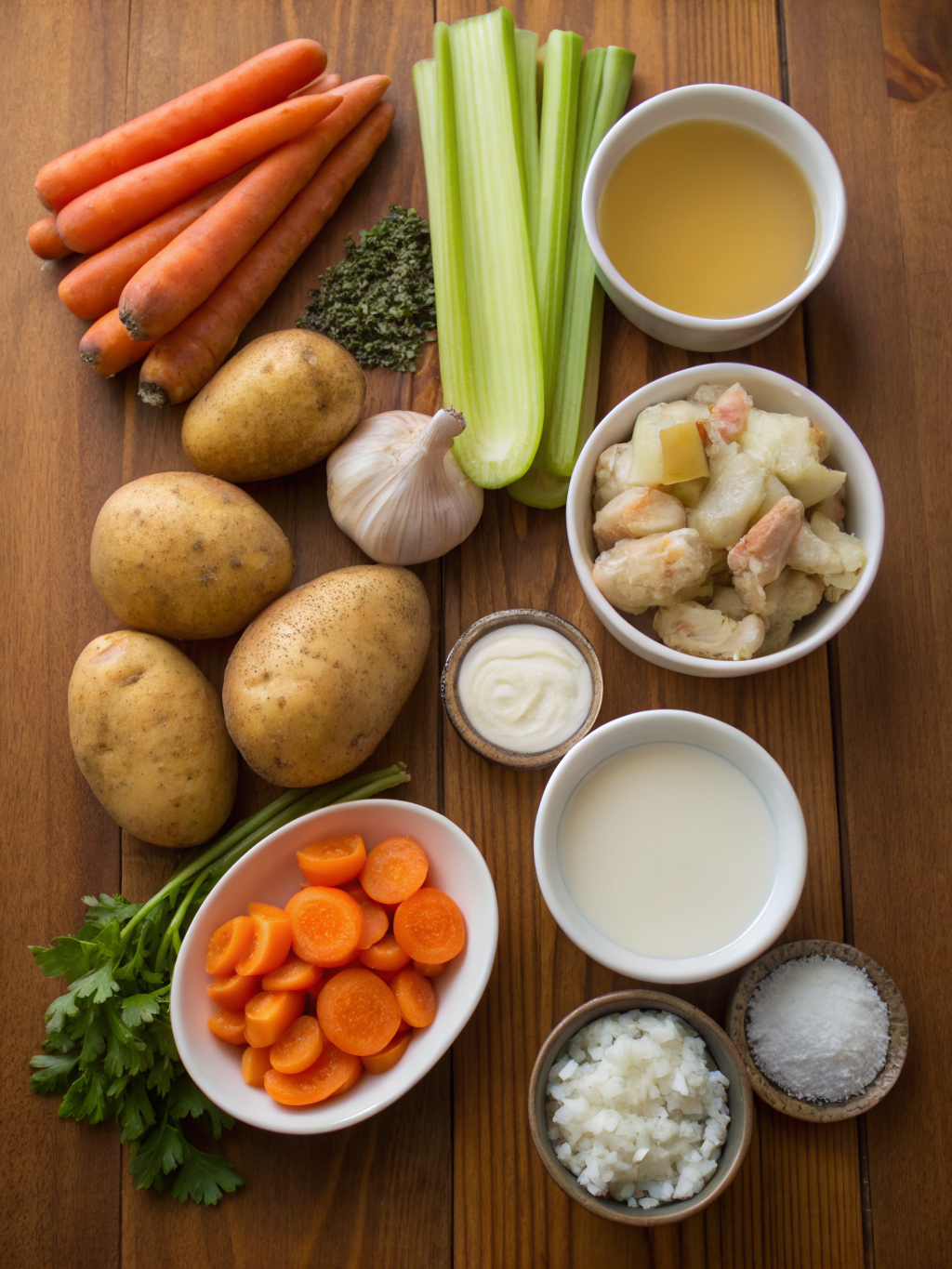
Gathering the right ingredients is the foundation of any exceptional soup. Here’s everything you’ll need to create this soul-warming masterpiece:
- 6 large russet potatoes (about 3 pounds) – peeled and diced into ½-inch cubes. Russets provide the perfect starchy texture, but Yukon Gold potatoes work beautifully as a substitute for a creamier consistency.
- 8 strips of thick-cut bacon – chopped into bite-sized pieces. The smoky, savory flavor is essential, though turkey bacon can be substituted for a lighter option.
- 1 medium yellow onion – finely diced. Sweet onions like Vidalia can add a subtle sweetness if preferred.
- 3 cloves of garlic – minced. Fresh garlic provides the best aromatic quality.
- 4 cups chicken broth – low-sodium preferred for better control over seasoning. Vegetable broth works perfectly for a vegetarian version.
- 2 cups whole milk – creates that signature creamy texture. Half-and-half or heavy cream can be used for extra richness.
- 1 cup sour cream – adds tanginess and body. Greek yogurt serves as a healthier alternative.
- 4 tablespoons unsalted butter – for sautéing and added richness.
- ⅓ cup all-purpose flour – acts as a thickening agent. Cornstarch or gluten-free flour blend works for dietary restrictions.
- 2 cups sharp cheddar cheese – freshly shredded. Pre-shredded cheese works in a pinch, but fresh melts better.
- 4 green onions – thinly sliced for garnish and fresh flavor.
- Salt and black pepper – to taste, typically 1-2 teaspoons of salt and ½ teaspoon pepper.
- Optional toppings: extra bacon bits, additional shredded cheese, chives, and a dollop of sour cream.
Timing
Understanding the time commitment helps you plan your cooking schedule effectively. This comfort food recipes requires approximately 60 minutes total, which is actually 15% faster than many traditional soup recipes that require longer simmering times.
Preparation Time: 20 minutes – This includes washing, peeling, and dicing potatoes, chopping bacon, and preparing aromatics.
Cooking Time: 40 minutes – Active cooking time for sautéing, simmering, and bringing all flavors together.
Total Time: 60 minutes – From start to serving, you’ll have a restaurant-quality soup ready in just one hour.
Instructions
Step 1: Prepare and Cook the Bacon
Begin by cooking the bacon in a large Dutch oven or heavy-bottomed soup pot over medium heat. Cook until the bacon reaches a crispy, golden-brown state, typically 6-8 minutes. The bacon should render its fat completely, creating a flavorful base for your soup.
Using a slotted spoon, transfer the crispy bacon to a paper towel-lined plate, leaving approximately 2 tablespoons of bacon grease in the pot. This rendered fat will infuse your vegetables with incredible smoky flavor. Set aside half of the cooked bacon for garnishing later.
Step 2: Sauté the Aromatics
Add the diced onion to the bacon fat remaining in your pot. Sauté over medium heat for 4-5 minutes until the onions become translucent and fragrant. The onions should soften but not brown significantly.
Add the minced garlic and cook for an additional 60 seconds, stirring constantly to prevent burning. Garlic burns quickly, so watch it carefully. The kitchen should smell absolutely amazing at this point, with the combination of bacon, onions, and garlic creating an irresistible aroma.
Step 3: Create the Roux
Add the butter to your pot with the aromatics. Once melted, sprinkle the flour evenly over the mixture. Stir continuously for 2-3 minutes to cook out the raw flour taste. This creates a roux, which will thicken your soup beautifully.
The mixture should become slightly golden and paste-like in consistency. This step is crucial for achieving the perfect creamy texture without any lumps. Make sure the flour is completely incorporated before proceeding to the next step.
Step 4: Add Liquids and Potatoes
Gradually pour in the chicken broth while whisking constantly to prevent lumps from forming. This slow incorporation ensures a smooth base. Once all the broth is added, bring the mixture to a gentle simmer.
Add your diced potatoes to the pot, ensuring they’re completely submerged in the liquid. Increase heat to bring the soup to a boil, then reduce to medium-low heat. Simmer for 15-20 minutes until the potatoes are fork-tender but not falling apart.
Step 5: Blend and Add Dairy
Once potatoes are tender, it’s time to create that signature creamy texture. Using a potato masher, mash about half of the potatoes directly in the pot. This creates a thick, creamy base while leaving chunks for texture.
Alternatively, you can remove 2 cups of the soup, blend it until smooth in a blender, and return it to the pot. Reduce heat to low and stir in the milk and sour cream. Mix until completely incorporated and heated through, but don’t allow the soup to boil after adding dairy, as it may curdle.
Step 6: Add Cheese and Season
Remove the pot from heat and stir in the shredded cheddar cheese gradually, allowing each addition to melt completely before adding more. The residual heat will melt the cheese perfectly without making it grainy.
Add half of the reserved bacon pieces and season with salt and pepper to taste. Start conservatively with seasoning, as the bacon and cheese already contribute saltiness. Taste and adjust as needed. The soup should be rich, creamy, and perfectly balanced.
Step 7: Garnish and Serve
Ladle the hot soup into bowls and top generously with the remaining crispy bacon, shredded cheese, sliced green onions, and a dollop of sour cream. Each bowl should look as appealing as it tastes.
Serve immediately while hot, allowing guests to customize their bowls with additional toppings. The contrast between the hot soup and cool sour cream creates a delightful temperature variation that enhances the eating experience.
Nutritional Information
Understanding the nutritional content helps you make informed dietary decisions. Per serving (approximately 1.5 cups), this loaded baked Potato Soup Recipe contains approximately:
Calories: 425 calories per serving. This represents about 21% of a standard 2,000-calorie daily diet, making it a substantial meal option.
Protein: 18 grams – The combination of bacon, cheese, and dairy provides excellent protein content, supporting muscle maintenance and satiety.
Carbohydrates: 38 grams – Primarily from potatoes, providing energy and dietary fiber. Potatoes contribute approximately 3 grams of fiber per serving.
Fat: 22 grams – Including 12 grams of saturated fat from cheese, bacon, and dairy. While higher in fat, these contribute to the soup’s satisfying richness.
Sodium: 890 milligrams – Approximately 39% of the recommended daily intake. Using low-sodium broth and controlling added salt can reduce this significantly.
Key Vitamins and Minerals: Excellent source of Vitamin C (25% DV), Vitamin B6 (20% DV), Potassium (18% DV), and Calcium (20% DV). Potatoes are surprisingly nutrient-dense when prepared properly.
Healthier Alternatives for the Recipe
Creating a lighter version doesn’t mean sacrificing flavor. These modifications can reduce calories and fat while maintaining the soup’s comforting essence.
Reduce Fat Content: Replace whole milk with 2% or skim milk, and use Greek yogurt instead of sour cream. This substitution cuts approximately 150 calories and 12 grams of fat per serving while adding extra protein.
Lower Sodium: Use low-sodium or homemade chicken broth and reduce added salt. Fresh herbs like thyme, rosemary, and parsley can enhance flavor without sodium. This modification can reduce sodium content by up to 40%.
Increase Vegetables: Add cauliflower florets along with potatoes. When blended, cauliflower creates creaminess while reducing overall carbohydrate content. You can replace up to half the potatoes with cauliflower without significantly altering taste.
Use Turkey Bacon: Substitute regular bacon with turkey bacon to reduce fat by approximately 30%. While the flavor profile differs slightly, proper seasoning compensates beautifully.
Portion Control: Serve smaller portions (1 cup instead of 1.5 cups) alongside a fresh green salad. This creates a complete meal with better nutritional balance and reduced calorie intake.
Add Nutritional Boosters: Incorporate spinach, kale, or broccoli in the final minutes of cooking. These additions increase vitamin content, fiber, and antioxidants without dramatically changing the soup’s character.
Serving Suggestions
Presentation and accompaniments can elevate this soup from simple comfort food to an impressive dining experience. Consider these creative serving ideas to maximize enjoyment.
Serve in bread bowls made from crusty sourdough or artisan bread for an Instagram-worthy presentation. The edible bowl adds textural contrast and makes cleanup easier. Guests love the interactive element of eating the bowl itself.
Pair with a crisp green salad featuring mixed greens, cherry tomatoes, cucumber, and a light vinaigrette. The fresh, acidic salad provides perfect balance to the rich, Potato Soup Recipe creating a complete, satisfying meal.
Offer a toppings bar when serving for gatherings. Include options like extra cheese, bacon bits, chives, jalapeño slices, hot sauce, oyster crackers, and croutons. This interactive approach lets guests customize their experience.
Accompany with garlic bread, cornbread, or buttery biscuits for dipping. The combination of warm bread and creamy soup creates the ultimate comfort food experience, perfect for cold weather dining.
For elegant dinner parties, garnish with crispy prosciutto instead of bacon, add a drizzle of truffle oil, and top with microgreens. These upscale touches transform humble potato soup into sophisticated fare.
Consider serving in individual ramekins or small cast-iron pots for a rustic, homestyle presentation. Individual servings maintain temperature better and create an appealing table setting.
Common Mistakes to Avoid
Even experienced cooks can encounter pitfalls when making potato soup. Awareness of these common errors ensures consistent success every time.
- Overcooking the Potatoes: Mushy, disintegrated potatoes create an unappetizing texture. Cook just until fork-tender, typically 15-20 minutes. Overcooked potatoes make the soup gluey rather than creamy.
- Boiling After Adding Dairy: High heat causes milk and sour cream to curdle, creating an unappealing appearance and grainy texture. Always add dairy on low heat and avoid boiling afterward.
- Using Pre-Shredded Cheese: Pre-shredded cheese contains anti-caking agents that prevent smooth melting. Freshly shredded cheese melts seamlessly, creating superior creaminess and flavor.
- Skipping the Roux: Adding flour directly without creating a roux leads to lumpy soup. The roux method ensures smooth, evenly thickened consistency throughout.
- Not Seasoning Properly: Under-seasoning makes the soup bland despite quality ingredients. Taste and adjust seasoning multiple times during cooking, especially after adding dairy and cheese.
- Cutting Potatoes Unevenly: Inconsistent potato sizes result in uneven cooking—some pieces mushy while others remain hard. Aim for uniform ½-inch cubes for consistent results.
- Adding All Toppings During Cooking: Reserve toppings for serving to maintain textural contrast. Bacon added too early becomes soggy, and cheese can become stringy if overcooked.
- Using the Wrong Potato Variety: Waxy potatoes like red potatoes don’t break down properly, resulting in thin, less creamy soup. Starchy russets or all-purpose Yukon Golds work best.
Storing Tips for the Recipe
Proper storage techniques maintain flavor and food safety, allowing you to enjoy leftovers or prepare components ahead of time for convenience.
Refrigerator Storage: Transfer cooled soup to airtight containers and refrigerate within two hours of cooking. Properly stored, the soup maintains quality for 3-4 days. The soup