The Best Fluffy Pancakes recipe you will fall in love with. Full of tips and tricks to help you make the best pancakes.
Amazing Chicken Marinade Recipes for Every Meal
Discover delicious chicken marinades that transform ordinary meals into flavorful favorites. From garlic herb and honey mustard to spicy BBQ

Have you ever wondered why restaurant chicken tastes so much better than homemade versions? The secret lies in mastering the art of marination. Whether you’re preparing a weeknight dinner or hosting a backyard barbecue, the right chicken marinade recipes can transform ordinary poultry into extraordinary culinary experiences that your family will request again and again.
Marinating chicken isn’t just about adding flavor—it’s a science that tenderizes meat, locks in moisture, and creates complex taste profiles. With the right combination of acids, oils, and seasonings, you can elevate your cooking from basic to restaurant-quality. This comprehensive guide will walk you through multiple marinade variations, expert techniques, and insider tips to ensure perfect results every time.
From tangy citrus blends to savory herb combinations, these marinades work beautifully for grilling, baking, or pan-searing. Each recipe has been tested and refined to deliver maximum flavor penetration and juicy, tender results. Let’s dive into the world of flavor-packed chicken preparations that will revolutionize your meal planning.
Ingredients List
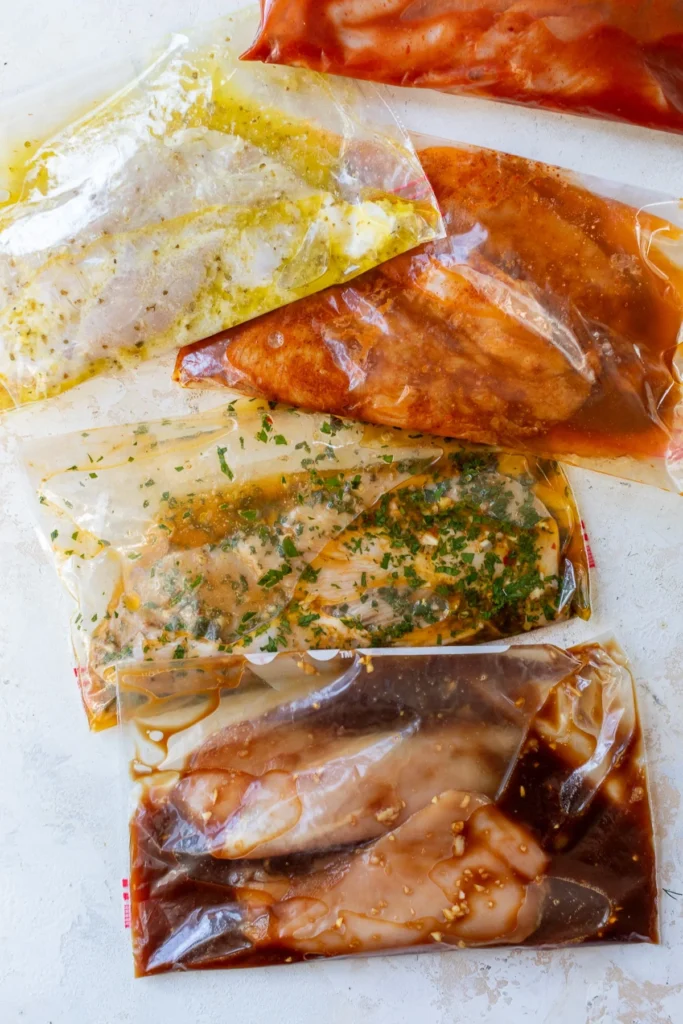
These versatile marinade bases can be customized to suit your taste preferences and dietary needs. Each ingredient serves a specific purpose in creating the perfect flavor and texture balance.
Classic Lemon Herb Marinade
- 1/2 cup extra virgin olive oil (substitute with avocado oil for higher smoke point)
- 1/4 cup fresh lemon juice (approximately 2 lemons, or use lime juice for variation)
- 4 cloves garlic, minced (or 1 tablespoon garlic powder)
- 2 tablespoons fresh rosemary, chopped (or 1 tablespoon dried)
- 2 tablespoons fresh thyme leaves (or 1 tablespoon dried)
- 1 tablespoon Dijon mustard (adds emulsification and tang)
- 1 teaspoon sea salt
- 1/2 teaspoon freshly ground black pepper
Asian-Inspired Soy Ginger Marinade
- 1/3 cup low-sodium soy sauce (or tamari for gluten-free option)
- 2 tablespoons sesame oil (toasted for deeper flavor)
- 2 tablespoons rice vinegar (or apple cider vinegar)
- 3 tablespoons honey (or maple syrup for vegan preparation)
- 2 tablespoons fresh ginger, grated
- 3 cloves garlic, minced
- 1 teaspoon red pepper flakes (adjust for heat preference)
- 2 green onions, thinly sliced
Spicy Chipotle Lime Marinade
- 1/4 cup fresh lime juice (about 3 limes)
- 1/4 cup olive oil
- 2 chipotle peppers in adobo sauce, minced
- 2 tablespoons adobo sauce from can
- 3 cloves garlic, minced
- 1 tablespoon ground cumin
- 1 tablespoon honey or agave nectar
- 1 teaspoon smoked paprika
- 1/2 teaspoon salt
- Fresh cilantro for garnish
Timing
Proper timing is crucial for achieving optimal flavor penetration without compromising texture. The preparation time for mixing any of these chicken marinade recipes is approximately 10 minutes, making them incredibly efficient for busy schedules. This represents about 75% less active time than complex sauce preparations while delivering superior results.
Marinating time ranges from 30 minutes to 24 hours, depending on your schedule and desired intensity. For quick meals, even 30 minutes provides noticeable flavor enhancement. However, 4-6 hours is the sweet spot for maximum flavor absorption without breaking down the protein structure excessively.
Cooking time varies by method: grilling takes 12-15 minutes, baking requires 25-30 minutes at 400°F, and pan-searing needs 6-8 minutes per side. Total time from start to finish ranges from 50 minutes to 24 hours and 30 minutes, offering flexibility for both spontaneous cooking and advance meal preparation.
Step-by-Step Instructions
Step 1: Prepare Your Chicken
Select fresh, high-quality chicken pieces—breasts, thighs, drumsticks, or whole butterflied chicken work beautifully. Pat the chicken completely dry with paper towels, as moisture prevents marinade absorption. For even cooking, pound chicken breasts to uniform thickness of about 3/4 inch using a meat mallet.
Score the chicken by making shallow diagonal cuts across the surface. This technique increases surface area and allows deeper marinade penetration, resulting in more flavorful meat throughout. Remove any excess fat or skin if desired, though skin-on pieces retain more moisture during cooking.
Step 2: Mix Your Chosen Marinade
In a medium bowl, whisk together all marinade ingredients until thoroughly combined and emulsified. The oil should be evenly distributed throughout the liquid components. Taste and adjust seasonings—remember that flavors will mellow slightly during marination, so the mixture should taste slightly more intense than your target flavor.
For the grilled chicken marinade, ensure acidic components are well-balanced with oils to prevent over-tenderization. The ideal ratio is typically 3 parts oil to 1 part acid, though this varies by recipe and personal preference.
Step 3: Combine Chicken and Marinade
Place chicken pieces in a large zip-top plastic bag or glass container with a tight-fitting lid. Pour the marinade over the chicken, ensuring every piece is completely coated. Remove as much air as possible from the bag before sealing, or press plastic wrap directly onto the surface if using a container.
Massage the bag gently to distribute marinade evenly around all chicken pieces. This hands-on approach ensures no dry spots remain and helps the flavors begin penetrating immediately. Never use aluminum containers, as acidic marinades can react with the metal and create off-flavors.
Step 4: Refrigerate and Marinate
Place the sealed container in the refrigerator on a plate or tray to catch any potential leaks. Position it on a lower shelf away from ready-to-eat foods for food safety. Turn the bag or container every few hours if possible to ensure even flavor distribution on all surfaces.
Minimum marinating time is 30 minutes for thin cuts, while thicker pieces benefit from 4-6 hours. Overnight marination (up to 24 hours) works excellently for tougher cuts like thighs and drumsticks. Never marinate longer than 24 hours, as excessive acid exposure can make the texture mushy.
Step 5: Prepare for Cooking
Remove chicken from refrigerator 20-30 minutes before cooking to allow it to reach room temperature. This ensures even cooking throughout the meat. Remove chicken from marinade and let excess drip off, but don’t wipe it completely dry—some marinade coating enhances flavor during cooking.
Discard used marinade or, if you wish to use it as a sauce, bring it to a rolling boil for at least 5 minutes to eliminate any bacteria from raw chicken contact. Season chicken lightly with additional salt and pepper if desired, though well-marinated chicken typically needs minimal extra seasoning.
Step 6: Cook to Perfection
For grilling, preheat your grill to medium-high heat (375-400°F). Oil the grates to prevent sticking. Grill chicken for 6-7 minutes per side, or until internal temperature reaches 165°F. Avoid moving the chicken too frequently—let it develop beautiful char marks.
For oven baking, preheat to 400°F and arrange chicken on a parchment-lined baking sheet. Bake for 25-30 minutes, flipping halfway through. For pan-searing, heat 2 tablespoons oil in a heavy skillet over medium-high heat and cook 6-8 minutes per side until golden brown and cooked through.
Step 7: Rest and Serve
Transfer cooked chicken to a clean plate and tent loosely with aluminum foil. Allow it to rest for 5-10 minutes before slicing or serving. This crucial step allows juices to redistribute throughout the meat, ensuring every bite is moist and flavorful rather than dry.
Slice against the grain for maximum tenderness, especially with chicken breasts. Garnish with fresh herbs matching your marinade profile—cilantro for Mexican-inspired, basil for Italian, or green onions for Asian flavors. Serve immediately while hot for the best dining experience.
Nutritional Information
Understanding the nutritional profile of your chicken marinade recipes helps you make informed dietary choices. A 4-ounce serving of marinated, grilled chicken breast contains approximately 185 calories, with variations depending on marinade ingredients and cooking method. This represents an excellent protein-to-calorie ratio for health-conscious diners.
Protein content averages 35 grams per serving, supporting muscle maintenance and satiety. Fat content ranges from 4-8 grams depending on marinade oil quantity and chicken cut selection. Thighs contain more fat than breasts but also provide richer flavor and moisture. Carbohydrates typically remain under 5 grams per serving unless honey or sugar-heavy marinades are used.
Sodium levels vary significantly by recipe, with soy-based marinades containing 600-800mg per serving compared to 200-300mg for herb-based versions. Those monitoring sodium intake should opt for low-sodium soy sauce or citrus-herb combinations. Marinades also provide beneficial antioxidants from herbs, garlic, and citrus components.
Micronutrients include vitamin B6, niacin, selenium, and phosphorus from the chicken itself. Marinade ingredients contribute vitamin C from citrus, anti-inflammatory compounds from ginger and garlic, and healthy monounsaturated fats from olive oil. Overall, these recipes provide balanced nutrition with exceptional flavor.
Healthier Alternatives for the Recipe
Creating lighter versions of these chicken marinade recipes doesn’t mean sacrificing flavor. Replace half the oil with low-sodium chicken broth or water to reduce calories by approximately 30% while maintaining moisture. The acid and seasonings still penetrate effectively with this modification.
Substitute honey with stevia or monk fruit sweetener to create keto-friendly and diabetic-appropriate versions. These alternatives provide sweetness without blood sugar spikes. For the Asian marinade, coconut aminos offer a soy-free, lower-sodium option with similar umami depth and slightly sweeter notes.
Greek yogurt makes an excellent marinade base for tandoori-style preparations, providing probiotics and protein while tenderizing meat through lactic acid. Combine 1 cup plain Greek yogurt with spices like cumin, coriander, turmeric, and garam masala for a creamy, flavorful coating that’s higher in protein than oil-based versions.
For those avoiding added sugars entirely, increase aromatic ingredients like garlic, ginger, and fresh herbs to compensate for sweetness. Naturally sweet vegetables like roasted red peppers blended into marinades provide depth without refined sugars. These modifications maintain delicious results while supporting various dietary goals.
Serving Suggestions
Transform your marinated chicken into complete meals with thoughtful accompaniments. Slice the lemon herb chicken and serve over mixed greens with cherry tomatoes, cucumber, and feta cheese for a Mediterranean-inspired salad. Drizzle with extra virgin olive oil and balsamic vinegar for a light, refreshing dinner.
The Asian-inspired chicken pairs beautifully with jasmine rice, stir-fried vegetables, and a sprinkle of sesame seeds. Create rice bowls with edamame, shredded carrots, purple cabbage, and a drizzle of sriracha mayo for a restaurant-quality presentation. Add pickled ginger and wasabi for authentic Japanese steakhouse vibes.
Chipotle lime chicken shines in tacos with warm corn tortillas, fresh pico de gallo, avocado slices, and crumbled queso fresco. Alternatively, dice it for burrito bowls with cilantro lime rice, black beans, roasted corn, and a dollop of sour cream. The smoky heat complements cooling elements perfectly.
For meal prep enthusiasts, portion marinated chicken with roasted sweet potatoes and steamed broccoli into containers for grab-and-go lunches. The marinades keep chicken moist even when reheated, making them ideal for weekly food preparation. Serve alongside quinoa, couscous, or cauliflower rice depending on your carbohydrate preferences.
Common Mistakes to Avoid
- Over-marinating: Leaving chicken in acidic marinades beyond 24 hours breaks down proteins excessively, creating mushy texture. Set phone reminders to prevent this common error that ruins otherwise perfect preparations.
- Using metal containers: Aluminum and other reactive metals interact with acidic ingredients, creating metallic off-flavors. Always use glass, ceramic, or food-grade plastic containers for marinating to preserve intended taste profiles.
- Marinating at room temperature: Bacteria multiply rapidly between 40-140°F. Always marinate in the refrigerator to ensure food safety, especially for periods longer than 30 minutes. This simple practice prevents foodborne illness.
- Reusing marinade without boiling: Raw chicken contaminates marinade with potentially harmful bacteria. If using marinade as a sauce, boil it vigorously for at least 5 minutes, or better yet, reserve a portion before adding chicken.
- Skipping the rest period: Cutting into chicken immediately after cooking releases precious juices onto the cutting board instead of staying in the meat. Patience during the 5-10 minute rest delivers noticeably juicier results.
- Not drying chicken before marinating: Excess moisture dilutes marinade and prevents proper adhesion. Pat chicken thoroughly dry with paper towels before adding to marinade for maximum flavor absorption and better browning during cooking.
- Cooking cold chicken: Placing refrigerator-cold chicken directly on heat sources results in uneven cooking—burnt exterior with undercooked interior. Allow 20-30